How to Check for Electricity Supply Capacity Before Buying Land in the UK
One of the most overlooked aspects of land purchase due diligence is checking the electricity supply capacity. Whether you're planning to build a single dwelling, develop multiple properties, or establish a commercial operation, inadequate electrical infrastructure can derail your project and cost tens of thousands of pounds to rectify. In 2026, with increasingly stringent building regulations and the growing demand for electric vehicle charging and heat pumps, understanding electricity capacity has never been more critical.
This comprehensive guide walks you through the entire process of checking electricity supply capacity before you commit to a land purchase, potentially saving you from expensive mistakes and project delays.
Why Electricity Supply Capacity Matters
Before diving into the process, it's important to understand why electricity capacity checking should be a non-negotiable part of your land buying due diligence.
Modern Power Requirements
Today's buildings require significantly more electricity than those constructed even a decade ago. A typical new-build home in 2026 might include:
- Electric vehicle charging point (7-22kW)
- Air source heat pump (3-5kW)
- Multiple high-power appliances
- Smart home systems and charging devices
- Potentially solar panel inverters and battery storage
A single dwelling can easily require a 100-amp supply (approximately 23kW), whilst commercial developments or multiple dwellings will need substantially more. Rural land with only agricultural supply (typically single-phase, 60-80 amps) will be wholly inadequate for residential development.
The Cost of Getting It Wrong
Upgrading electricity supply capacity isn't simply expensive—it can be prohibitively so. Connection costs vary dramatically but typical scenarios include:
- Minor upgrade (existing three-phase supply): £3,000-£8,000
- New transformer installation: £15,000-£40,000
- Extending high-voltage network: £50,000-£200,000+
- Underground cabling (per kilometre): £100,000-£150,000
These costs are almost always borne by the developer or landowner, making pre-purchase investigation essential.
Understanding the UK Electricity Distribution Network
Distribution Network Operators (DNOs)
The UK's electricity network is managed by 14 regional Distribution Network Operators (DNOs). Your land will fall within one of these regions:
England:
- Electricity North West
- Northern Powergrid (Northeast & Yorkshire)
- Scottish Power Energy Networks (Merseyside, Cheshire, North Wales)
- Western Power Distribution (Midlands, South West, Wales)
- UK Power Networks (Southeast, East, London)
- SSE (Southern)
Scotland:
- Scottish and Southern Electricity Networks (SSEN)
- Scottish Power Energy Networks (SPEN)
Wales:
- Scottish Power Energy Networks (South Wales)
- Western Power Distribution (Mid and South Wales)
Identifying your DNO is the first critical step in checking capacity. Each has different processes, response times, and charging structures.
Step-by-Step Guide to Checking Electricity Capacity
Step 1: Identify the Local DNO
Use the Energy Networks Association's postcode checker (energynetworks.org) to identify which DNO manages your target land. You'll need the full postcode or, for undeveloped land, the nearest property's postcode.
Alternatively, if there's an existing electricity supply on or near the land, the DNO's details should appear on any electricity meter or supply equipment.
Step 2: Determine Existing Infrastructure
Before contacting the DNO, conduct a physical inspection:
Look for:
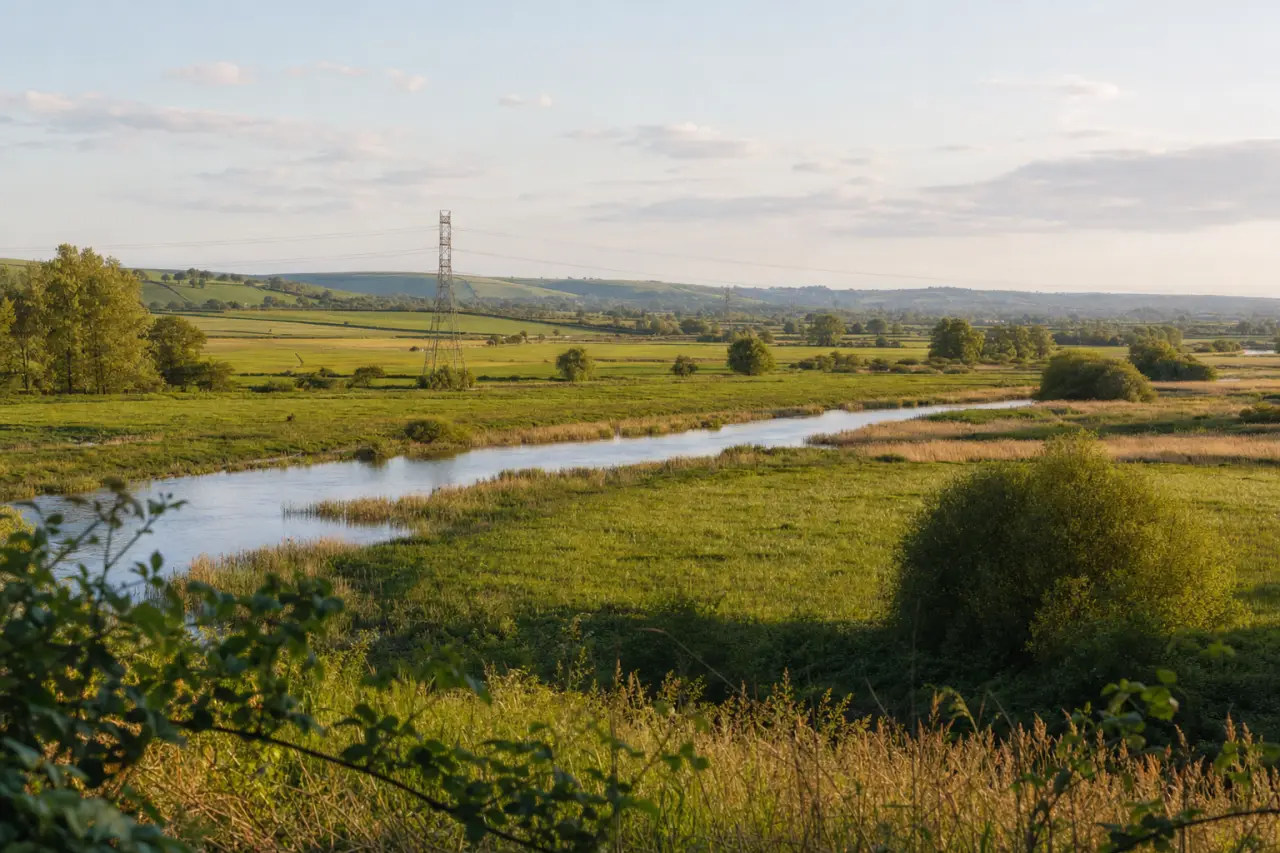
- Overhead power lines crossing or adjacent to the land
- Underground cable markers (small posts or covers)
- Electricity poles with transformers
- Existing meter boxes or supply equipment
- Substations within 500 metres
Document:
- Photographs of any electrical infrastructure
- GPS coordinates of substations or transformers
- Approximate distance from the nearest supply point
Step 3: Request a Capacity Assessment
Contact your DNO to request a capacity assessment. Most DNOs now offer online portals, but telephone enquiries remain common. You'll need to provide:
- Full address or land coordinates
- Approximate load requirement (in kW or kVA)
- Intended use (residential, commercial, agricultural)
- Number of properties or units planned
- Development timeline
Tip: If you're working with an architect or planning consultant, they can provide accurate load calculations based on your development plans. For preliminary enquiries, these estimates work:
- Single dwelling: 15-25kVA
- Dwelling with heat pump and EV charger: 30-40kVA
- Multiple dwellings: 20kVA per unit minimum
- Commercial operation: varies significantly—seek professional assessment
Step 4: Obtain a Quotation
Request a formal connection quotation from the DNO. This typically involves:
Budget Estimate (free): Basic indication of connection feasibility and approximate cost, usually provided within 10 working days.
Detailed Quotation (may incur fee): Comprehensive assessment including design, capacity availability, and firm pricing. Takes 4-12 weeks depending on complexity and whether reinforcement is needed.
Most DNOs offer different connection types:
- Standard connections: Off-the-shelf solutions for straightforward situations
- Non-standard connections: Require network reinforcement or extension
- Competition in Connections (CiC): You can choose alternative providers for certain works
Step 5: Review Network Capacity Maps
Many DNOs now publish network capacity heatmaps showing available capacity by area. These maps indicate:
- Green zones: Spare capacity available
- Amber zones: Limited capacity; may require assessment
- Red zones: Constrained network; likely reinforcement needed
Whilst not definitive for individual sites, these maps provide valuable early insight. UK Power Networks, Northern Powergrid, and Western Power Distribution all maintain publicly accessible capacity maps.
Understanding Your Capacity Assessment Results
Available Capacity
Your DNO assessment will specify available capacity in either:
- kVA (kilovolt-amperes): The standard measure for supply capacity
- Amps: At a given voltage (230V single-phase or 400V three-phase)
For reference:
- 100-amp single-phase = approximately 23kVA
- 100-amp three-phase = approximately 69kVA
Supply Types
Single-phase: Suitable for single dwellings and small-scale development. Standard domestic supply at 230V.
Three-phase: Required for most commercial applications and larger developments. Provides 400V and greater capacity.
High-voltage: For substantial developments (20+ dwellings or major commercial), you may need a dedicated HV supply with on-site substation.
Reinforcement Requirements
If existing capacity is insufficient, the DNO will detail required reinforcement:
- Service cable upgrade: Replacing undersized cables to your site
- Transformer upgrade: Installing larger or additional transformers
- HV extension: Extending high-voltage network to your area
- Substation installation: Building new switching or distribution infrastructure
Each carries different cost implications and timescales.
Costs and Timescales
Connection Charges
DNOs calculate charges based on:
Sole use assets: Infrastructure exclusively for your development (you pay 100%)
Shared assets: Infrastructure benefiting multiple users (you pay a proportion)
Diversified Maximum Demand (DMD): DNOs apply diversity factors reducing your total capacity requirement, as not all properties draw maximum power simultaneously.
Timeline Expectations
Typical timescales from quotation acceptance:
- Standard connection with spare capacity: 12-16 weeks
- Minor reinforcement required: 6-9 months
- Major reinforcement (new transformer): 9-18 months
- HV extension required: 18-36 months
These timelines should factor into your development schedule and may affect planning permission conditions.
Special Considerations for Different Land Types
Agricultural Land
Existing agricultural land often has only basic electrical supply—sufficient for lighting and equipment but wholly inadequate for residential development. Expect significant upgrade costs when converting agricultural to residential use.
Brownfield Sites
Former industrial sites may have substantial existing capacity but outdated infrastructure requiring complete replacement. Always verify that existing supply equipment meets current standards and can be retained.
Rural and Remote Land
Land more than 500 metres from existing electrical infrastructure faces particular challenges. Underground cable costs make these projects especially expensive, potentially £100,000-£200,000 per kilometre.
Consider alternative options:
- Off-grid renewable systems (solar, wind, battery storage)
- Hybrid systems (minimal grid connection plus renewables)
- Phased development to spread connection costs
Sites with Existing Properties
Don't assume existing supply is adequate for your plans. A dwelling with 60-amp supply cannot accommodate modern requirements. Verify actual capacity, not just the presence of a connection.
Key Questions to Ask Your DNO
- What capacity is currently available at the nearest connection point?
- Is the existing supply single-phase or three-phase?
- What load can be accommodated without reinforcement?
- If reinforcement is needed, what works are required and what is the estimated cost?
- What is the typical timescale from payment to energisation?
- Are there any planned network upgrades in this area?
- Can I use a contestable connections provider to reduce costs?
- Are there any special conditions or restrictions for this location?
- What happens if my development plans change or expand?
- Are there any charges for abortive works if the project doesn't proceed?
Red Flags to Watch For
Constrained Networks
Some areas suffer from chronic network constraints due to insufficient historic investment or rapid development. Signs include:
- Long quoted connection timescales (18+ months)
- DNO mentions "network reinforcement" or "upstream works"
- High connection quotations (£50,000+)
- Multiple developments in the area facing similar issues
In severely constrained areas, even small developments may face multi-year delays and six-figure costs.
Conditional Quotations
Some quotations come with conditions:
- Planning permission required before design proceeds
- Third-party approvals needed (highways, landowners)
- Shared cost agreements with other developers
Understand all conditions before proceeding with purchase.
Off-grid Considerations
Whilst off-grid living appeals to some, understand the implications:
- Most mortgage lenders require mains electricity connection
- Building regulations increasingly assume grid connection
- Resale values may be significantly reduced
- Insurance can be more expensive or difficult to obtain
Including Electricity Capacity in Your Purchase Decision
Due Diligence Checklist
Before exchanging contracts, ensure you have:
- Identified the local DNO
- Obtained capacity assessment or quotation
- Verified quotation validity period (typically 90 days)
- Understood all connection costs and who pays them
- Confirmed realistic connection timescales
- Assessed impact on development viability
- Reviewed any conditions or third-party requirements
- Obtained professional advice if quotation exceeds £15,000
Negotiating the Purchase
If electricity capacity issues emerge:
Significant costs identified: Renegotiate purchase price to reflect connection costs. A £40,000 connection cost should reduce land value accordingly.
Extended timescales: Ensure your purchase isn't time-bound if connection will delay development start.
Conditional quotations: Consider making your purchase conditional on obtaining satisfactory quotations or planning permission.
Contract Considerations
Your solicitor should include provisions for:
- Rights to install new supply infrastructure
- Wayleaves or easements if crossing third-party land
- DNO apparatus protection (existing cables or equipment)
- Access rights for DNO to install and maintain equipment
Alternative Solutions and Cost Mitigation
Competition in Connections
For connections requiring new infrastructure, you can appoint an Independent Connection Provider (ICP) to carry out some or all works. This can reduce costs by 10-30% compared to DNO quotations.
ICPs can undertake:
- Design and project management
- Cable laying and ducting
- Substation construction
- Service connections
The DNO still performs final connection and energisation.
Phased Development
For multi-plot developments, phasing can spread connection costs:
- Install infrastructure for initial plots only
- Subsequent phases connect to installed capacity
- Reduces upfront capital requirement
- Allows connection costs to be recovered through early sales
Renewable Energy Integration
Combining grid connection with renewable generation and storage can:
- Reduce required grid capacity (and connection costs)
- Provide future income through export
- Enhance marketing appeal
- Potentially attract grant funding
Regional Variations
Electricity capacity varies significantly by region:
Southeast England: Network often constrained in areas like Surrey, Kent, and Sussex due to rapid housing growth. Expect extended timescales and higher costs.
Scotland: Generally better capacity due to lower population density, though remote Highland and Island locations face distance challenges.
Wales: Rural areas may have limited capacity; coastal and valley towns generally better served.
Northern England: Industrial areas often have good capacity from legacy infrastructure; rural Pennine areas more challenging.
When browsing land by location, always factor in regional electricity infrastructure capacity.
Working with Professionals
When to Seek Professional Help
Consider engaging specialists if:
- Connection quotation exceeds £20,000
- Development involves multiple dwellings or commercial use
- DNO identifies complex reinforcement requirements
- You're considering off-grid or hybrid systems
- Land is in a constrained network area
Relevant Professionals
Electrical Consultants: Provide detailed load calculations and design input
Independent Connection Providers: Deliver cost-effective connection solutions
Energy Consultants: Advise on renewable integration and hybrid systems
Quantity Surveyors: Include connection costs in development appraisals
Future-Proofing Your Connection
Planning for Growth
When specifying capacity requirements, consider:
- Future expansion possibilities
- Additional phases or plots
- Increasing electric vehicle adoption
- Potential move to all-electric heating
- Battery storage additions
Installing adequate capacity initially avoids expensive upgrades later. Oversizing by 25-50% typically adds minimal cost but provides valuable flexibility.
Net Zero Considerations
The UK's net zero commitment by 2050 means increasing electrification of heat and transport. Properties with inadequate electrical infrastructure will face costly retrofitting. Ensuring robust capacity from the outset protects long-term value.
Conclusion
Checking electricity supply capacity before purchasing land is essential due diligence that can save thousands of pounds and months of delays. By systematically working through the assessment process—identifying your DNO, obtaining capacity quotations, understanding costs and timescales, and factoring results into your purchase decision—you protect yourself from expensive surprises.
Remember that inadequate electrical infrastructure doesn't necessarily make land unsuitable, but you must understand the costs and implications before committing. Armed with accurate information, you can negotiate appropriately, plan realistically, and make informed decisions about whether the land truly meets your needs and budget.
Whether you're purchasing land in a well-connected urban area or remote rural location, thorough electricity capacity investigation should be as fundamental to your due diligence as obtaining a professional land valuation or checking planning constraints.
Get Expert Guidance on Your Land Purchase
Navigating electricity capacity requirements is just one aspect of successful land acquisition. Our comprehensive guides and resources help you avoid costly mistakes at every stage of the buying process.
Get a free land valuation to understand what your target land is truly worth, or explore our complete guide to buying land for expert advice on every aspect of the purchase process.