Land for Sale in Devon

South West · ENGLAND

Map of Devon

Key Facts

Avg. Price/Acre

£8,500

area

2,590 sq miles

major Towns

Exeter, Plymouth, Torquay, Barnstaple, Exmouth

population

1,194,000

Local Planning Authority: View planning portal →

# Land for Sale in Devon

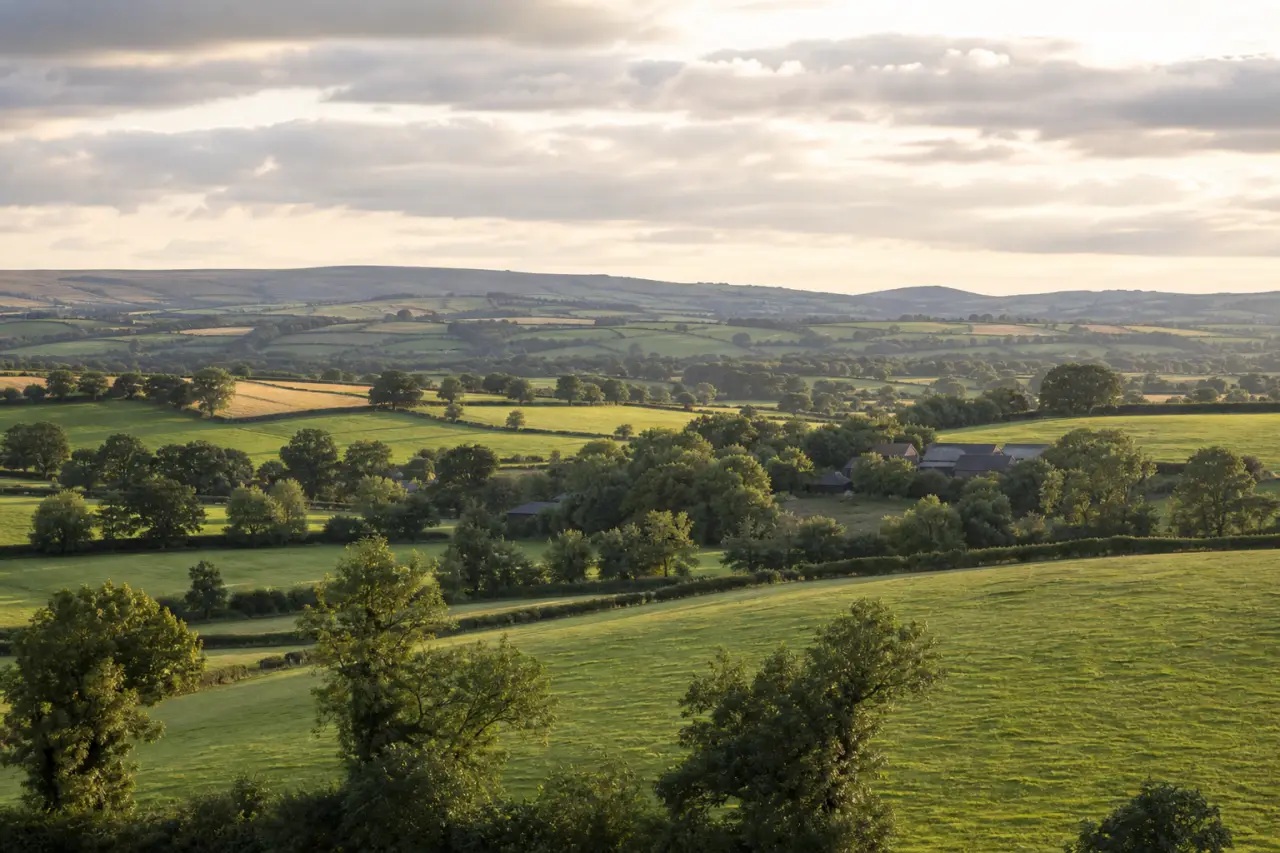
Devon stands as one of England's most diverse and sought-after counties for land buyers, offering everything from productive agricultural holdings to woodland plots and development opportunities. Stretching from the dramatic coastline of the Bristol Channel in the north to the South Devon coast and English Channel in the south, this expansive county encompasses two national parks – Dartmoor and Exmoor (partially) – alongside two Areas of Outstanding Natural Beauty. For those considering purchasing land in Devon, the county presents remarkable variety: rich red soil farmland in the south, moorland grazing in the uplands, and increasingly popular lifestyle holdings near market towns such as Exeter, Plymouth, Torquay, Barnstaple, and Exmouth.

The Devon land market has shown sustained interest from both agricultural buyers and those seeking amenity land, particularly since 2020 when remote working possibilities increased demand for rural locations. Agricultural land values vary considerably depending on soil quality, topography, and accessibility, with prime lowland pasture commanding higher prices than marginal upland grazing. The county's strong farming heritage – particularly dairy, beef, and sheep production – means agricultural land frequently changes hands through traditional farming networks, though an increasing proportion now comes to market for diversification, rewilding, or residential development with planning consent.

For prospective land buyers, Devon offers an appealing combination of natural beauty, reasonable accessibility via the M5 motorway and mainline rail connections to London, and a thriving rural economy that extends beyond agriculture into tourism, renewable energy, and technology sectors. Whether you're seeking a commercial farming opportunity, a smallholding for self-sufficiency, or a strategic development site, understanding Devon's diverse landscape and planning environment is essential before making your investment.

Types of Land Commonly Available in Devon

Agricultural Land dominates Devon's land market, with the county supporting approximately 450,000 hectares of farmland. The South Hams and mid-Devon regions are particularly noted for productive dairy farms on rich, red sandstone soils, whilst the eastern valleys offer mixed arable and livestock holdings. Agricultural plots range from modest 10-20 acre grazing parcels suitable for smallholders to substantial 300+ acre commercial farms. Tenanted land remains common in Devon, with many estates offering Farm Business Tenancies for both arable and livestock operations.

Moorland and Upland Grazing features prominently, especially surrounding Dartmoor National Park. These holdings typically command lower per-acre prices due to challenging terrain and grazing-only potential, but appeal to buyers seeking extensive acreage for conservation grazing, pony keeping, or rewilding projects. Common rights and commoners' associations add complexity to some moorland purchases, requiring specialist legal advice.

Woodland and Forestry Plots have grown increasingly popular, with Devon's mixture of ancient woodland, commercial conifer plantations, and mixed deciduous plots attracting diverse buyers. Parcels range from five-acre amenity woods to commercial forestry blocks exceeding 100 acres. Many woodland plots come with off-grid potential and modest timber income, though Forestry Commission regulations and tree preservation orders require careful consideration.

Equestrian Properties and Paddocks remain consistently sought-after, particularly within 10 miles of Exeter, Plymouth, and Torquay. Devon's extensive bridleway network and established equestrian community support strong demand for paddocks with stabling, ménages, and residential potential. Plots of 3-10 acres with existing facilities command premium prices.

Development Land opportunities exist but face stringent planning controls, particularly within the national parks and AONBs which cover significant portions of the county. Sites with outline or detailed planning permission for residential development appear periodically near major towns, whilst agricultural buildings with conversion potential offer alternative development routes. The emerging trend towards eco-housing and self-build plots has created a niche market for smaller parcels with planning consent.

Notable Features and Geographic Considerations

Devon's landscape divides into distinct zones, each affecting land use and value. Dartmoor National Park covers 368 square miles of granite moorland, providing extensive common land and designated protected landscapes where development is heavily restricted. Exmoor National Park extends into north Devon, offering similarly protected upland terrain. The South Devon AONB and East Devon AONB add further landscape protection, with planning policies prioritising conservation over development.

Transport infrastructure significantly impacts land values and usability. The M5 motorway provides the primary north-south route, terminating at Exeter before continuing as the A38 to Plymouth. The A30 crosses Devon east-west, serving as the main route to Cornwall. Rail connections include the mainline from London Paddington to Exeter St Davids (approximately 2 hours), with branch lines serving Plymouth, Barnstaple, and coastal towns. Land within 30 minutes of mainline stations commands a premium, particularly for amenity buyers and those requiring regular access to London or Bristol.

The Hinkley Point C Connection Project and various renewable energy initiatives have increased interest in land suitable for solar farms, wind turbines, and battery storage facilities. Devon's agricultural diversification into renewable energy presents opportunities for landowners, though planning consent remains essential. Environmental considerations include flood zones along the Exe, Dart, and Tamar rivers, with the Environment Agency maintaining detailed flood risk maps. Coastal erosion affects certain areas, particularly the northeast coast, requiring specific legal searches when purchasing coastal land.

Planning and Development Considerations

Devon County Council serves as the minerals and waste planning authority, whilst eight district councils handle most planning applications: East Devon, Exeter, Mid Devon, North Devon, South Hams, Teignbridge, Torridge, and West Devon. Additionally, Dartmoor and Exmoor National Park Authorities control planning within their boundaries, applying particularly stringent policies focused on landscape conservation.

The county's planning framework balances housing need against landscape protection, agricultural land preservation, and climate change objectives. Agricultural occupancy conditions frequently restrict residential use of farmhouses and agricultural dwellings to those employed in agriculture or forestry, significantly affecting value and limiting the buyer pool. These conditions can sometimes be removed through Section 106 agreement variations, but require demonstrating that agricultural need no longer exists – a challenging process requiring specialist planning advice detailed in our complete guide to planning permission.

Permitted development rights offer certain opportunities for agricultural landowners, including:

  • Agricultural buildings under 465 square metres (with notifications)
  • Change of use from agricultural buildings to residential (maximum three dwellings, subject to strict criteria)
  • Installation of solar panels on agricultural buildings

However, national park and AONB designations frequently remove these rights, requiring full planning applications even for modest agricultural structures. The biodiversity net gain requirement, mandatory from 2026, requires all development to deliver at least 10% biodiversity improvement, potentially affecting development land values and viability. Conservation considerations include numerous Sites of Special Scientific Interest (SSSIs), Special Areas of Conservation (SACs), and traditional Devon hedgerows protected under the Hedgerows Regulations 1997.

For those considering purchasing land with development potential, engaging with planning authorities early through pre-application advice proves essential. Devon's districts vary in their approach to rural exception sites, self-build plots, and agricultural diversification, with some areas more receptive to innovative rural housing solutions than others. Before committing to any land purchase, particularly for development purposes, reviewing the complete guide to buying land in the UK provides essential context on due diligence, searches, and planning considerations.

Investment Potential and Market Trends

Devon's land market demonstrates robust long-term value retention, supported by limited supply, strong amenity demand, and productive agricultural potential. Agricultural land prices typically range from £6,000-£8,000 per acre for grade 3 pasture, rising to £10,000-£12,000 per acre for prime lowland holdings with good infrastructure. Moorland and rough grazing trades at £2,000-£4,000 per acre, whilst small amenity plots and paddocks near desirable towns can exceed £15,000 per acre due to lifestyle buyer competition.

Several factors suggest continued strength in Devon's land market:

Environmental Schemes: The transition from Basic Payment Scheme to Environmental Land Management (ELM) schemes creates opportunities for landowners to generate income from environmental enhancement, carbon sequestration, and biodiversity projects. Devon's diverse habitats make it particularly suitable for these schemes, potentially supporting land values through alternative income streams.

Tourism and Diversification: Devon's position as England's premier rural tourism destination supports diversification opportunities including holiday lets, glamping sites, wedding venues, and farm shops. Land with existing buildings suitable for conversion benefits from these trends, though planning consent remains essential for change of use.

Lifestyle Migration: Sustained interest from urban professionals seeking rural lifestyles, accelerated by remote working possibilities, maintains strong demand for lifestyle holdings of 5-50 acres. This sector shows particular resilience, with buyers often less price-sensitive than commercial farmers.

Renewable Energy: Devon's renewable energy targets and suitable wind and solar resources create income opportunities for landowners. Grid connection capacity and planning policy vary by location, but well-positioned land may command option fees or rental income from renewable developers.

Infrastructure Development: Proposals for housing development around Exeter, Plymouth, and other growth areas may affect surrounding land values, particularly where greenfield sites gain allocation in Local Plans. However, this remains uncertain and highly location-specific.

Risks include agricultural market volatility, particularly affecting tenant farmers, and climate change impacts including increased flooding, coastal erosion, and changing growing conditions. The shift away from direct agricultural subsidies may pressure marginal farming operations, potentially bringing more land to market but also affecting values where agricultural viability declines.

For those considering purchasing land in Devon, obtaining a professional valuation proves invaluable in understanding whether asking prices reflect genuine market value, particularly for unique or challenging parcels. The county's diversity means that local knowledge and specialist advice remain essential for making informed investment decisions in this rewarding but complex land market.

Looking for Land in Devon?

Tell us what you're looking for and we'll help you find the right plot.