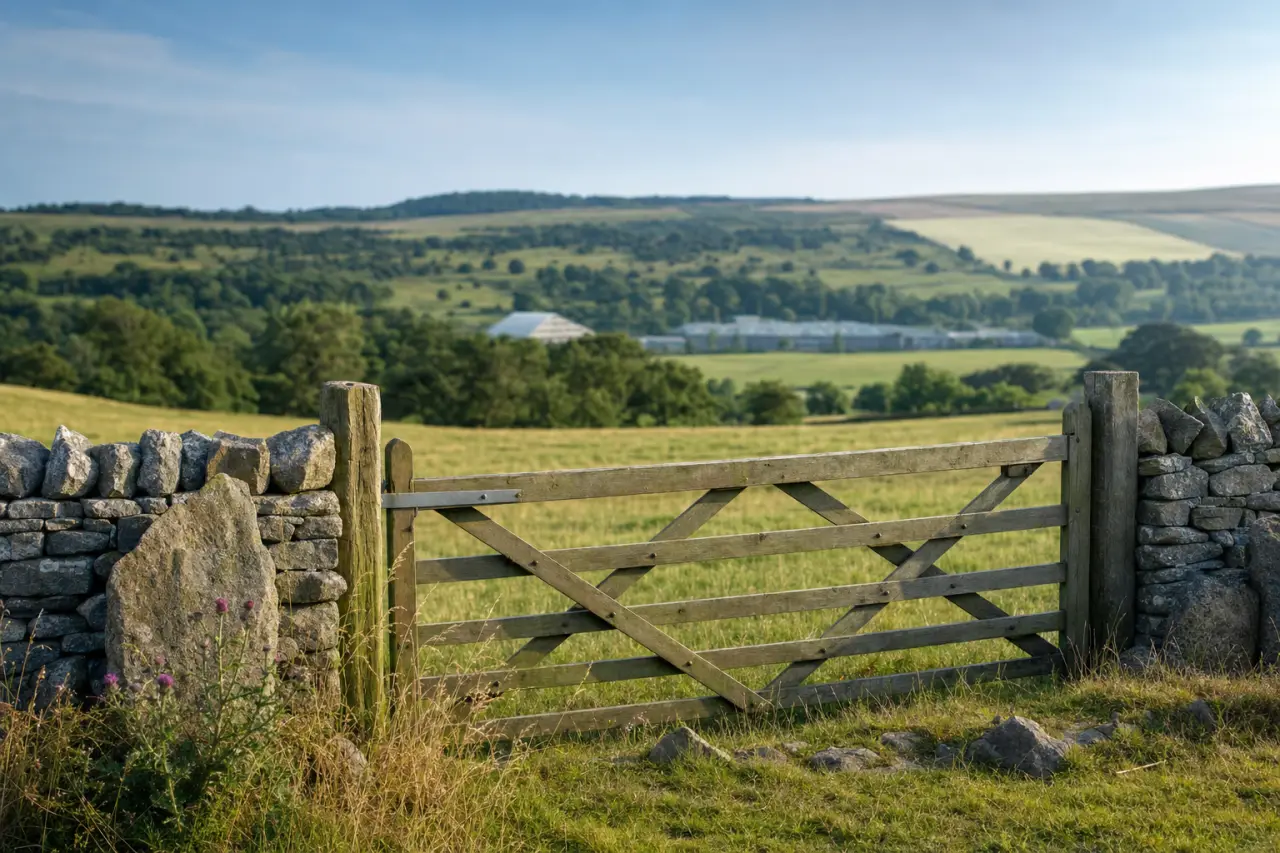
How to Buy MOD or Government Surplus Land in the UK: A Complete Guide
The UK government and Ministry of Defence (MOD) regularly dispose of surplus land and property, presenting unique opportunities for developers, investors, and private buyers. From former military bases to underutilised government estates, these sales can offer significant value — but the process differs considerably from standard property transactions.
This comprehensive guide explains everything you need to know about buying MOD land for sale and government surplus land in the UK, from finding opportunities to completing your purchase.
Understanding Government Land Disposal
The UK public sector owns approximately 750,000 hectares of land across England, Scotland, Wales, and Northern Ireland. When government departments and agencies determine that land or property is no longer required for operational purposes, it enters the disposal process.
Several bodies manage government land sales:
- Defence Infrastructure Organisation (DIO): Handles MOD property and land disposals
- Government Property Agency (GPA): Manages civil government estate disposals
- Local authorities: Dispose of council-owned land independently
- Crown Estate: Manages the Crown's property portfolio
- Homes England: Sells public sector land for housing development
The government's stated policy, outlined in the 2026 Public Land for Public Good framework, prioritises disposals that deliver housing, economic growth, and community benefit — not simply highest price.
Types of MOD and Government Surplus Land Available
Government land sales encompass diverse property types:
Former Military Sites: Complete bases, barracks, airfields, and training grounds that have been decommissioned. These often span substantial acreage and may include buildings requiring demolition or conversion.
Parcels of MOD Estate: Smaller plots that are no longer operationally necessary, such as former married quarters, vehicle depots, or perimeter land.
Civil Government Property: Office buildings, warehouses, research facilities, and surrounding land declared surplus by government departments.
Infrastructure Land: Surplus highway verges, former utility sites, and land associated with decommissioned public infrastructure.
Agricultural and Forestry Land: Farm estates and woodland previously managed by government agencies.
Prices vary enormously depending on location, condition, and development potential. Agricultural land might sell for £8,000-£15,000 per acre in rural areas, while strategic sites with planning permission can command seven-figure sums.
How to Find MOD Land for Sale and Government Opportunities
Official Government Portals
The primary source for government land sales is the GOV.UK land and property disposal platform. This portal lists available properties from various departments and provides standardised information about each opportunity.
For MOD-specific disposals, monitor the Defence Infrastructure Organisation website, which publishes detailed information about military estate sales, including site maps, environmental reports, and disposal timescales.
Regional Variation
Government land disposal processes differ across the UK:
England: Managed primarily through GPA and DIO, with Homes England handling development-ready sites.
Scotland: Scottish Government manages disposals through Crown Estate Scotland and various agencies, with different planning frameworks applying.
Wales: Welsh Government handles disposals independently, often with community benefit requirements.
Northern Ireland: Department of Finance manages the public estate, with distinct procurement rules.
Commercial Property Platforms
Many government land sales are marketed through commercial estate agents. Major sites typically receive professional marketing campaigns, appearing on platforms like Rightmove Commercial, EGi, and CoStar.
Land Auctions
Government bodies occasionally dispose of smaller parcels through public auction. These sales offer transparency and defined timescales but require immediate funding commitment.
Freedom of Information Requests
Proactive buyers can submit FOI requests to identify land holdings before formal disposal processes begin. Request information about "land and property holdings under review for disposal" or "sites declared surplus to operational requirements."
The Government Land Disposal Process
Understanding the disposal process helps you navigate government land sales effectively.
Stage 1: Declaration as Surplus
When a government department determines land is no longer required, it's declared surplus. For MOD land, the DIO conducts operational reviews and environmental assessments before disposal.
Stage 2: Consultation and Planning
Significant sites undergo consultation with local authorities and communities. The government may seek planning permission before sale or dispose of land subject to planning requirements. Understanding planning permission requirements is crucial at this stage.
Stage 3: Marketing and Sale
Government land sales typically follow one of three routes:
Open Market Sale: Competitive process where the property is marketed publicly, and offers are invited. This is the most common approach for valuable sites.
Restricted Bidding: Limited competition among pre-qualified buyers, often used for complex sites requiring specific development expertise.
Direct Negotiation: Used where market conditions warrant it or where a specific development outcome is required.
For housing sites, the government may impose conditions requiring affordable housing provision or community facilities.
Stage 4: Due Diligence and Contracts
Successful bidders enter a due diligence period to investigate the site thoroughly. Government sellers typically provide extensive information packs, but buyers should conduct independent surveys, environmental assessments, and title investigations.
Contracts for government land sales often include:
- Overage clauses: Requiring additional payments if planning permission increases land value
- Development conditions: Requiring specific uses or timescales
- Clawback provisions: Allowing repurchase if conditions aren't met
- Environmental indemnities: Addressing contamination liabilities
Legal fees for government land purchases typically range from £5,000-£25,000 depending on complexity, with SDLT calculated on standard rates (currently 5% on the portion from £250,001-£925,000 for non-residential land).

Key Considerations When Buying Government Surplus Land
Environmental and Contamination Issues
Former MOD sites frequently have environmental complications:
- Contamination: Military use often leaves soil and groundwater contamination requiring remediation
- Unexploded ordnance (UXO): Former ranges and training areas may contain UXO requiring specialist clearance
- Protected species: Government land often hosts protected wildlife requiring mitigation measures
- Hazardous materials: Asbestos, fuel residues, and other hazardous substances in buildings
The DIO typically provides Phase 1 environmental reports, but buyers should commission Phase 2 investigations before exchange. Remediation costs can range from £50,000 to several million pounds depending on contamination extent.
Access and Services
Many surplus government sites lack adequate access or services for development:
- Verify existing access rights and whether new highways permissions are required
- Confirm utility availability and connection costs
- Check drainage and sewerage infrastructure
- Assess whether access improvements require third-party land
Planning Status and Restrictions
Government sellers increasingly obtain outline planning permission before disposal, but many sites still require applications. Key planning considerations include:
- Green Belt designation: Many MOD sites fall within Green Belt, limiting development
- Conservation areas: Historic military buildings may have listed status
- Local development plans: Verify the site's allocation in local planning frameworks
- Section 106 obligations: Large sites typically require community infrastructure contributions
For guidance on navigating these requirements, see our complete guide to buying land in the UK.
Title and Boundary Issues
Government land often has complex title histories:
- MOD property may be unregistered, requiring first registration with HM Land Registry
- Boundaries can be uncertain, particularly for large historic estates
- Rights of way and easements may exist across the land
- Restrictive covenants might limit future use
Commission a specialist solicitor familiar with government land transactions to investigate title thoroughly. Our guide to understanding Land Registry provides essential background.
Financing MOD and Government Land Purchases
Securing finance for government land differs from standard property purchases:
Development Finance: Most lenders categorise government land purchases as development projects, requiring 20-30% deposits and charging higher rates (typically 6-12% annually).
Bridging Finance: Short-term funding can bridge the gap if planning permission is imminent, with rates from 0.5-1.5% monthly.
Specialist Lenders: Some lenders specialise in contaminated or complex land, understanding remediation and development timescales.
Cash Purchases: Government sellers often prefer cash buyers who can exchange quickly without financing conditions.
For larger sites, consider joint venture arrangements with development partners who contribute expertise and capital.
Valuing Government Surplus Land
Determining appropriate offers for government land requires specialist valuation:
Existing Use Value (EUV): The value in current condition and use, typically the baseline for agricultural or amenity land.
Hope Value: Additional value reflecting potential for planning permission, typically 20-40% above EUV.
Residual Development Value: For sites with planning permission, this calculation works backwards from completed development value, deducting all costs and profit to determine land value.
Government sellers commission Red Book valuations from RICS-registered surveyors. Commission your own independent valuation to verify pricing. Professional valuations typically cost £1,500-£5,000 depending on site complexity.
For a free initial assessment of any government land opportunity, use our online valuation service.
Regional Opportunities Across the UK
Government land disposal patterns vary significantly by region:
South East England: High volume of disposals as MOD consolidates operations, with strong development values but Green Belt constraints.
Scotland: Substantial Defence estate disposals, particularly in Highlands and Islands, often at lower prices but with challenging development economics.
Wales: Fewer but significant disposals, with Welsh Government prioritising community benefit and affordable housing.
Northern Ireland: Limited volume but opportunities at former military installations, with distinct planning and legal frameworks.
Explore available land opportunities by browsing our regional listings to understand local market conditions.
Success Stories and Cautionary Tales
Government land purchases can deliver exceptional returns when managed properly:
RAF Henlow, Bedfordshire: Purchased by Urban&Civic in 2016, this 390-acre former airbase received planning permission for 2,500 homes and is now delivering a major new community.
Caterham Barracks, Surrey: Successfully redeveloped into luxury apartments, though contamination remediation exceeded initial estimates by @@DP2@@ million.
Warning: Several buyers have encountered difficulties with unrealistic planning expectations, underestimated remediation costs, and prolonged approval processes. Thorough due diligence cannot be overstated.
Step-by-Step: Your Government Land Purchase Journey
- Identify opportunities: Monitor official portals, register with commercial agents, and submit FOI requests
- Initial assessment: Review marketing materials, site plans, and environmental reports
- Site inspection: Visit personally to assess condition, access, and neighbouring uses
- Commission reports: Obtain planning advice, environmental assessment, and valuation
- Submit offer: Prepare a compelling offer addressing the seller's objectives beyond price
- Due diligence: Conduct detailed investigations during exclusivity period
- Secure finance: Arrange funding with appropriate conditions and timescales
- Exchange contracts: Complete legal documentation with specialist solicitor
- Post-completion: Register title, commence development, and fulfil any conditions
Legal and Professional Support
Government land purchases require specialist professional support:
Solicitors: Engage firms experienced in government land transactions, public sector contracts, and development agreements. Expect fees from £5,000-£25,000.
Environmental Consultants: Essential for Phase 2 site investigations and remediation strategies. Budget £3,000-£15,000 for comprehensive assessments.
Planning Consultants: Professional planning advice costs £2,000-£10,000 but significantly improves application success rates.
Surveyors and Valuers: RICS-qualified professionals provide independent valuation and development appraisals.
Conclusion
Purchasing MOD land for sale or government surplus land offers unique opportunities to acquire strategically located sites, often with development potential exceeding current values. However, these transactions demand thorough investigation, specialist professional support, and realistic expectations about timescales and costs.
The government's ongoing estate rationalisation programme means new opportunities regularly emerge across all regions. Success requires diligent monitoring, rapid response when opportunities arise, and comprehensive due diligence before commitment.
Whether you're seeking agricultural land, development sites, or investment opportunities, government land disposals deserve serious consideration as part of your land acquisition strategy.
Ready to Explore Land Opportunities?
Whether you're interested in government surplus land or other opportunities, we can help. Get a free land valuation to understand what you can achieve, or browse available land by location to discover opportunities across the UK. For comprehensive guidance on the entire purchase process, read our complete guide to buying land in the UK.