Land for Sale in West Lothian

East Scotland · SCOTLAND
Map of West Lothian

Key Facts

Avg. Price/Acre

£10,000

area

165 sq miles

major Towns

Livingston, Bathgate, Linlithgow, Broxburn, Whitburn

population

183,000

Local Planning Authority: View planning portal →

# Land for Sale in West Lothian

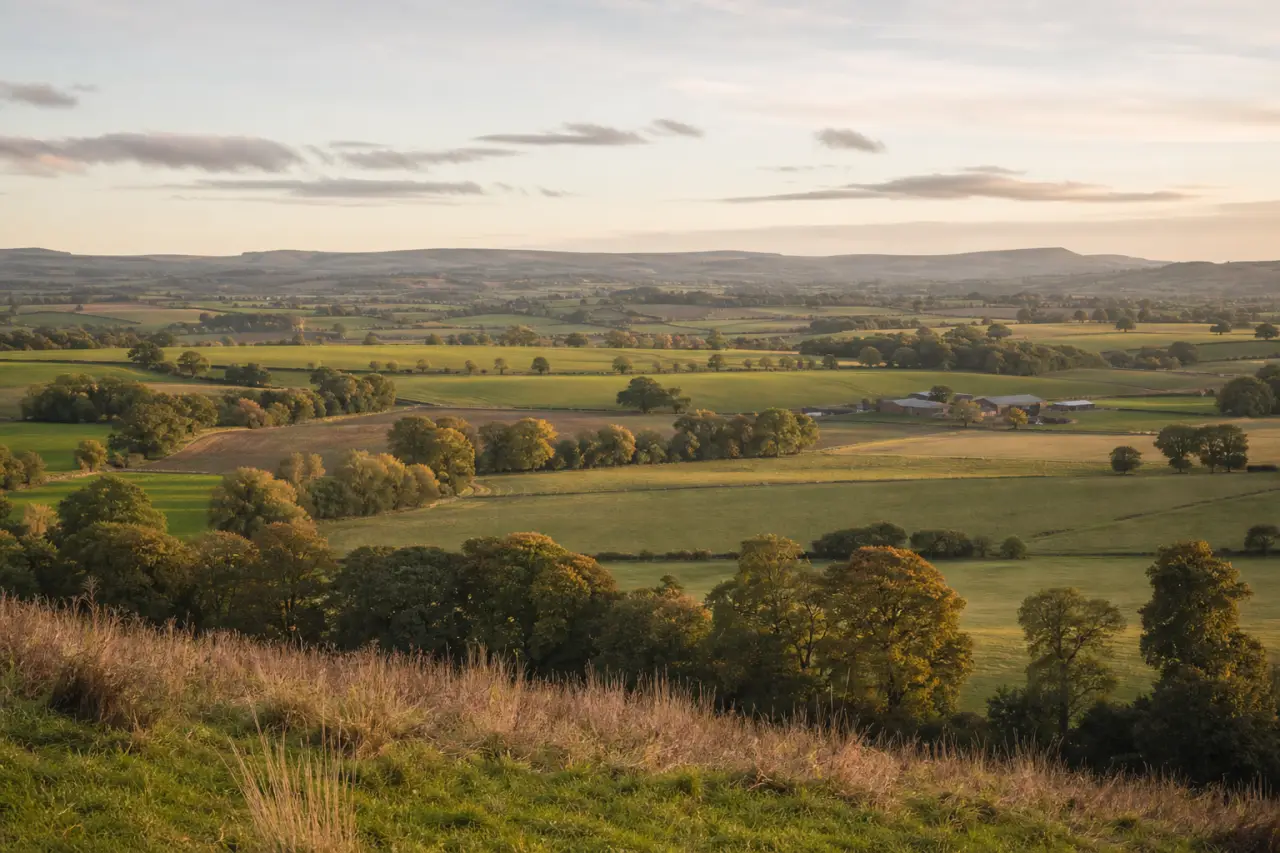
West Lothian occupies a strategically important position in Scotland's Central Belt, positioned between Edinburgh to the east and Glasgow to the west. This compact county of 165 square miles has evolved from its industrial heritage into a thriving centre for technology, manufacturing, and logistics, whilst retaining significant agricultural areas and pockets of remarkable natural beauty. For land buyers, West Lothian presents diverse opportunities, from agricultural holdings on the gentle slopes of the Bathgate Hills to development sites in expanding towns benefiting from excellent transport connectivity. The area's proximity to Edinburgh Airport and the M8/M9 motorways makes it particularly attractive for commercial and residential development, whilst rural parcels continue to appeal to those seeking smallholdings or lifestyle properties within commuting distance of Scotland's capital cities.

The land market in West Lothian has remained robust, supported by sustained population growth—now approaching 183,000 residents—and ongoing commercial investment. Agricultural land prices typically range from £8,000 to £12,000 per acre for quality arable ground, whilst small amenity plots and paddocks command premium prices, often exceeding £15,000 per acre. Development land values vary considerably depending on planning status and location, with sites in Livingston and along the Edinburgh corridor commanding the highest premiums. West Lothian Council has been proactive in allocating land for development through its Local Development Plan, creating opportunities for both residential and commercial schemes, though the planning process requires careful navigation.

Types of Land Available in West Lothian

Agricultural land dominates the rural areas of West Lothian, particularly in the southern and western reaches of the county. The fertile lowlands support mixed farming operations, with cereals, root crops, and livestock grazing being common. Holdings ranging from 20 to 200 acres periodically come to market, often with traditional stone farm buildings offering conversion potential. The land quality is generally good Grade 3, capable of supporting productive farming enterprises.

Smallholdings and amenity land represent a significant sector of the West Lothian market. Parcels of 2-10 acres are particularly sought after by purchasers seeking equestrian facilities, hobby farms, or lifestyle properties. Areas around Linlithgow, with its historic royal palace and loch, are especially popular for these smaller holdings, as are villages like Ecclesmachan and Kirknewton which retain rural character despite their proximity to urban centres.

Commercial and industrial land opportunities are concentrated around Livingston, Scotland's fourth-largest town and home to major employers including Sky, Mitsubishi Electric, and numerous logistics operations. The town's designated Enterprise Zones and business parks continue to attract investment, creating demand for development sites. Broxburn and Bathgate also offer commercial land opportunities, particularly sites suited to industrial or warehouse use benefiting from motorway access.

Woodland and forestry parcels occasionally appear on the market, particularly in the hillier terrain around the Bathgate Hills and Cairnpapple Hill. These range from small copses to more substantial coniferous or mixed plantations, appealing to conservation buyers and those seeking carbon offset opportunities.

Notable Features and Infrastructure

West Lothian's transport infrastructure is arguably its greatest asset. The M8 motorway bisects the county, providing direct connections to Edinburgh (15 miles east) and Glasgow (30 miles west). The M9 also clips the northern edge of the county, offering routes towards Stirling and the Highlands. Edinburgh Airport lies just beyond the eastern boundary, making West Lothian one of Scotland's most accessible locations for air travel.

Rail connectivity has improved significantly, with stations at Livingston North, Livingston South, Bathgate, Uphall, and Linlithgow providing regular services to Edinburgh Waverley (journey times from 20-35 minutes) and Glasgow Queen Street via the reopened Airdrie-Bathgate line. This connectivity has supported commuter growth and enhanced land values along these rail corridors.

Historically, Linlithgow stands out as one of Scotland's most attractive market towns, dominated by the ruins of Linlithgow Palace, birthplace of Mary, Queen of Scots. The town's conservation area status impacts development potential but enhances the appeal of rural land in the surrounding area. The Union Canal, which passes through Linlithgow en route from Edinburgh to Falkirk, has been restored as a leisure amenity and adds character to waterside land parcels.

The Bathgate Hills provide elevated terrain reaching 1,020 feet at Cairnpapple Hill, site of an ancient burial cairn and ceremonial site. This upland area offers different topography and land characteristics compared to the lowland agricultural belt, with implications for land use and development potential.

Planning and Development Considerations

West Lothian Council serves as the planning authority, operating under the West Lothian Local Development Plan. The council has been relatively progressive in allocating land for development, responding to sustained housing demand and economic growth. Core Development Areas are concentrated around Livingston, Bathgate, Broxburn, and to a lesser extent Whitburn, with various housing and mixed-use sites identified in the current plan.

For those considering planning permission, West Lothian operates a standard Scottish planning system with applications processed through the council's planning portal. Pre-application consultations are strongly encouraged for significant proposals. The council has published supplementary guidance on topics including affordable housing requirements (typically 25% for developments of 20+ units), design standards, and environmental considerations.

The Green Belt around Edinburgh extends into eastern West Lothian, particularly affecting land around Kirknewton and areas close to the city boundary. This designation significantly restricts development potential and should be thoroughly researched before purchasing land with development aspirations. Similarly, conservation area designations in Linlithgow, Torphichen, and parts of Bathgate impose additional planning controls.

Agricultural land classification plays a role in planning decisions, with prime agricultural land (Classes 1, 2, and 3.1) afforded greater protection from development. However, the council balances this against economic development needs and housing requirements. Areas of former industrial use, particularly old shale oil extraction sites and coal mining areas, may offer brownfield redevelopment opportunities but require careful environmental assessment.

Contaminated land is a consideration in West Lothian given its industrial heritage. The county was at the heart of Scotland's shale oil industry in the 19th and early 20th centuries, and numerous bings (spoil heaps) remain as landscape features, now largely stabilised and vegetated. Former mining and industrial sites may require investigation and potential remediation. West Lothian Council maintains a contaminated land register, and purchasers should conduct thorough due diligence on any land with industrial history.

Investment Potential and Market Trends

The West Lothian land market has demonstrated consistent strength over the past decade, underpinned by the area's strategic location and economic fundamentals. The population has grown steadily, with projections indicating continued expansion as Edinburgh's housing market drives demand for more affordable alternatives within commuting distance. This demographic pressure supports both residential development land values and demand for amenity parcels.

Livingston's maturation as a major employment centre has transformed the local economy. The town hosts over 650 businesses employing some 40,000 people, creating sustained demand for housing and supporting land values. The ongoing development of Almondvale and other districts suggests further growth potential. For investors, sites with potential for residential or commercial development in or around Livingston warrant serious consideration.

Agricultural land has held its value well, with quality arable ground attracting interest from established farming operations seeking to expand. The trend towards larger, more efficient farming units continues, though smaller amenity parcels remain in high demand from lifestyle buyers. Equestrian properties and smallholdings typically sell quickly when sensibly priced, reflecting sustained demand from Edinburgh and Glasgow commuters.

Renewable energy presents opportunities for landowners, with West Lothian's landscape suitable for solar installations and potentially small-scale wind generation, though wind projects face more stringent planning scrutiny. Agricultural land may also benefit from environmental schemes and carbon offset initiatives as Scotland pursues its climate targets.

For those new to buying land in Scotland, West Lothian offers an accessible entry point with lower prices than the Lothians or Fife, yet comparable connectivity and infrastructure. The combination of urban development opportunities and traditional agricultural holdings provides options for various investment strategies and budgets.

Anyone seriously considering a land purchase in West Lothian should obtain a professional valuation to ensure their offer reflects current market conditions and the specific characteristics of the plot in question. Local factors including planning history, access arrangements, utilities provision, and environmental constraints can significantly impact value and development potential. With proper research and professional guidance, West Lothian's diverse land market offers compelling opportunities for buyers across the spectrum from agricultural investors to residential developers and lifestyle purchasers seeking a rural setting with urban convenience.

Looking for Land in West Lothian?

Tell us what you're looking for and we'll help you find the right plot.