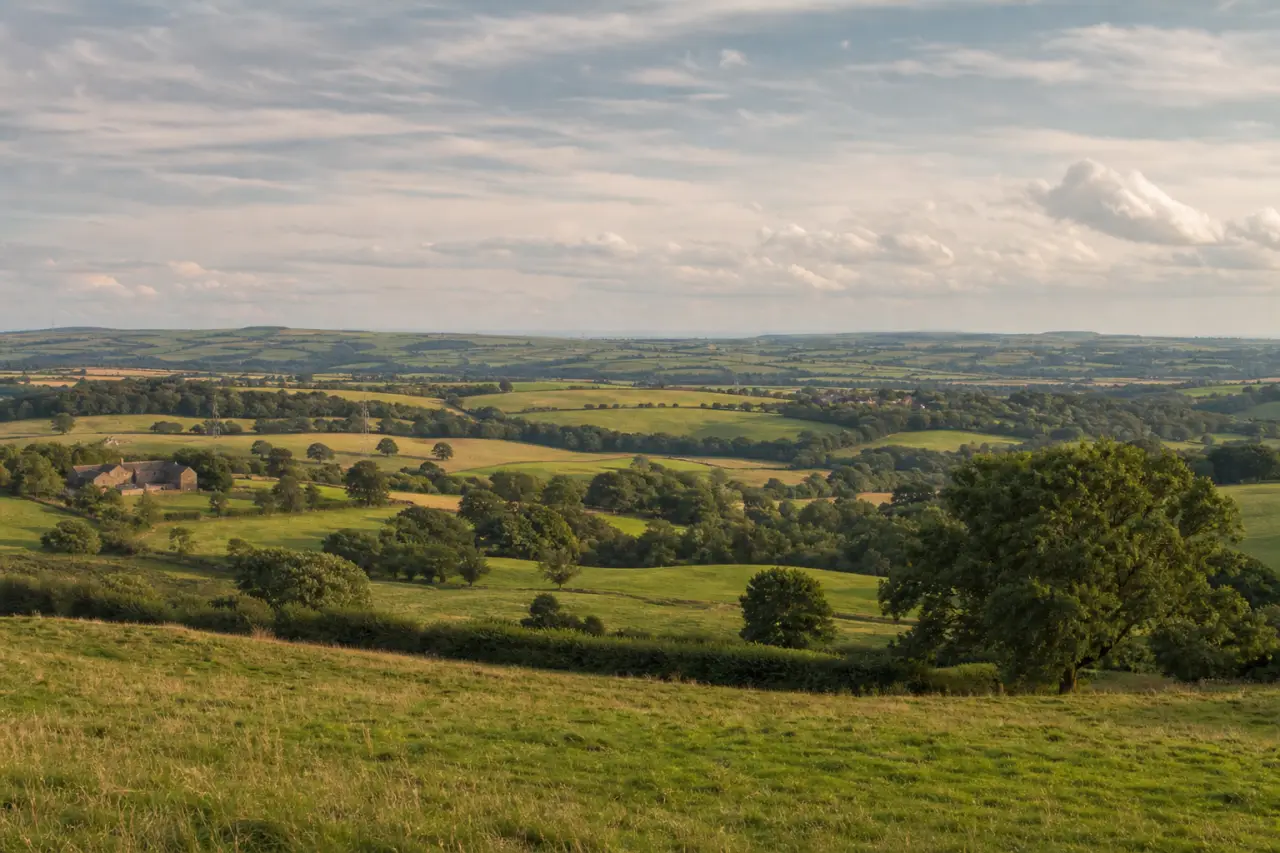
Land for Sale in Tyne and Wear

North East · ENGLAND

Map of Tyne and Wear

Key Facts

Avg. Price/Acre

£10,000

area

208 sq miles

major Towns

Newcastle upon Tyne, Sunderland, Gateshead, South Shields, Tynemouth

population

1,142,000

Local Planning Authority: View planning portal →

# Land for Sale in Tyne and Wear

Tyne and Wear represents a unique opportunity for land buyers in the North East of England, combining metropolitan development with surprising pockets of countryside and brownfield regeneration sites. Straddling the River Tyne, this metropolitan county encompasses Newcastle upon Tyne, Sunderland, Gateshead, South Shields, and the coastal town of Tynemouth, creating a diverse landscape of investment possibilities. With a population exceeding 1.1 million people across just 208 square miles, Tyne and Wear is one of England's most densely populated areas, yet still offers varied land opportunities from urban regeneration plots to agricultural holdings on the county fringes.

The region's land market has experienced significant transformation over the past two decades, driven by major regeneration initiatives along both banks of the Tyne and substantial investment in transport infrastructure. Former industrial sites, particularly those related to shipbuilding, coal mining, and heavy engineering, have created a substantial inventory of brownfield land suitable for redevelopment. Meanwhile, the Green Belt surrounding the urban core and the Heritage Coast between Tynemouth and South Shields provide limited but valuable opportunities for agricultural and amenity land purchases.

For investors and developers, Tyne and Wear's strategic position as the economic heart of North East England, combined with strong educational institutions (including Newcastle and Northumbria Universities) and improving transport links, makes it an increasingly attractive proposition. The region benefits from lower land values compared to many other metropolitan areas whilst offering significant development potential, particularly in areas benefiting from ongoing regeneration schemes.

Types of Land Available in Tyne and Wear

Brownfield Regeneration Sites dominate the land market in Tyne and Wear, with former industrial areas along the Tyne riverside, in Sunderland's port areas, and throughout Gateshead offering substantial development opportunities. These sites often come with complex planning considerations but can represent excellent value, particularly those benefiting from Enterprise Zone status or regeneration funding.

Residential Development Land is available throughout the metropolitan area, though opportunities are increasingly constrained by Green Belt policy and the need to prioritise brownfield redevelopment. The most sought-after plots tend to be in established residential areas of Jesmond, Gosforth, and Tynemouth, or on the edges of Newcastle and Sunderland where the urban area meets greenbelt land.

Commercial and Industrial Land remains available, particularly around the Team Valley Trading Estate (one of Europe's largest industrial estates), the Port of Tyne, Sunderland's former shipyard areas, and along the A1 corridor. The International Advanced Manufacturing Park (IAMP) straddling the Newcastle-Sunderland border represents one of the UK's most significant new industrial land developments.

Agricultural Land is limited within the metropolitan county itself but exists on the fringes, particularly in the Derwent Valley to the west of Gateshead and in pockets around Sunderland's periphery. These holdings tend to be smaller than in neighbouring Northumberland or County Durham, typically ranging from 10 to 100 acres.

Amenity and Leisure Land can be found in locations such as the coastal areas, the Derwent Walk Country Park corridor, and around the various country parks that form green lungs within the metropolitan area. Equestrian properties and smallholdings are particularly sought after in areas like Wylam and Heddon-on-the-Wall.

Notable Features and Infrastructure

Tyne and Wear benefits from exceptional transport connectivity for a region of its size. The A1(M) motorway runs along the western edge of the county, providing direct links to Scotland and Yorkshire, while the A19 connects Newcastle to Sunderland and Teesside. The Tyne and Wear Metro system, the UK's first modern light rail network outside London, serves over 60 stations across the county and significantly enhances the desirability of land with good Metro connections.

Newcastle International Airport, located just outside the county boundary but serving the metropolitan area, provides both domestic and international connections, enhancing the region's appeal for business investment. The Port of Tyne and Port of Sunderland offer significant opportunities for port-related development and logistics operations.

The region has no National Parks or Areas of Outstanding Natural Beauty within its boundaries, but the North East Green Belt wraps around the urban areas, constraining development but protecting the character of settlements and countryside. The Durham Heritage Coast begins just south of South Shields, offering spectacular coastal scenery that influences land values in the Whitburn and Marsden areas.

Educational and research institutions, particularly Newcastle University and Northumbria University, drive demand for student accommodation and knowledge-economy employment space, creating ongoing opportunities for appropriately located development land.

Planning and Development Considerations

Planning policy in Tyne and Wear is administered by five separate local authorities: Newcastle City Council, Gateshead Council, Sunderland City Council, North Tyneside Council, and South Tyneside Council. Each has its own Local Plan, though there is coordination through the North East Combined Authority. This fragmented structure means planning approaches can vary significantly across the metropolitan area, and prospective land buyers should research the specific policies of the relevant authority carefully.

Understanding planning permission requirements is essential, as each council takes a different approach to housing targets, employment land allocation, and design standards. Newcastle and Gateshead, in particular, have adopted ambitious regeneration frameworks that can significantly influence development potential.

The Green Belt is a crucial consideration, with strict policies protecting land between the Tyne and Wear conurbation and surrounding settlements. Development in the Green Belt is heavily restricted, making Green Belt land generally unsuitable for development unless very special circumstances can be demonstrated. However, certain uses such as agriculture, forestry, outdoor recreation, and limited infilling within existing settlements may be acceptable.

Brownfield first policies are strongly enforced across all five authorities, with a presumption in favour of developing previously developed land before greenfield sites. This creates opportunities for buyers willing to navigate the complexities of contaminated land remediation and site preparation, but also means greenfield sites face significant planning hurdles.

Contamination issues are common given the region's industrial heritage. Former coal mining areas, shipyard sites, chemical works, and heavy industrial locations often require extensive investigation and remediation. While this can reduce initial purchase prices, buyers should budget carefully for potential remediation costs and factor in longer planning timeframes for contaminated sites.

The Environment Agency flood risk maps should be consulted for any land near the Tyne, Wear, Derwent, or Team rivers, or along the coast. Coastal erosion and flood risk are particular considerations for land between Tynemouth and South Shields, and parts of Sunderland's seafront.

Several Enterprise Zones operate within Tyne and Wear, including areas of the IAMP and parts of Newcastle's city centre, offering business rate discounts and simplified planning procedures that can enhance land values for qualifying uses.

Investment Potential and Market Trends

Tyne and Wear's land market has strengthened considerably since 2015, driven by regeneration success stories, improved transport infrastructure, and Newcastle's growing reputation as a regional hub for technology, life sciences, and creative industries. Agricultural land prices in the limited areas where it's available typically range from £8,000 to £12,000 per acre for permanent pasture, with arable land commanding slightly higher prices. These figures are substantially below the English average, reflecting the scarcity of agricultural opportunities within the metropolitan area.

Residential development land values vary enormously by location. Prime plots in established areas such as Jesmond, Gosforth, or Tynemouth can command £1 million+ per acre with planning permission for housing, whilst brownfield sites in less favoured locations might achieve £300,000-£500,000 per acre depending on remediation requirements and planning status.

Commercial and industrial land shows strong demand, particularly in locations with good motorway or port access. The IAMP development has demonstrated the potential for strategic employment sites, with land values reflecting both current use and long-term development potential. The ongoing expansion of the logistics sector, driven by e-commerce growth, has created particular demand for well-located industrial land.

The region benefits from several positive long-term trends. The Northumberland Line extension will reopen stations between Newcastle and Ashington, potentially enhancing values of land near these stations. The continued development of Newcastle Helix, a 24-acre innovation district, exemplifies the transformation of former industrial land into high-value knowledge economy space.

Government investment through the North East Devolution Deal and ongoing Levelling Up funding provides support for infrastructure and regeneration that should underpin land values. The Green Investment Bank's focus on the North East for renewable energy projects creates opportunities for land suitable for solar farms or other renewable installations, particularly in Sunderland and South Tyneside.

However, buyers should be realistic about the challenges. Tyne and Wear faces ongoing population management issues, with some areas experiencing decline despite overall regional stability. The planning system's brownfield-first approach, while environmentally sound, can make greenfield development extremely difficult. Competition from Scotland, which offers various business incentives, can impact demand for commercial land in the northern parts of the county.

For those considering buying land in Tyne and Wear, the key is identifying sites that align with local planning priorities—particularly brownfield regeneration opportunities or plots that support knowledge economy growth. The region offers excellent value compared to many UK metropolitan areas, but success requires careful due diligence regarding contamination, planning constraints, and realistic assessment of development timescales.

A professional valuation is essential before proceeding with any land purchase in Tyne and Wear, particularly given the complexity of brownfield sites and the variation in planning policy across the five local authorities. With the right site in the right location, however, Tyne and Wear offers significant potential for land investors willing to take a long-term view of this regenerating metropolitan region.

Looking for Land in Tyne and Wear?

Tell us what you're looking for and we'll help you find the right plot.