Land for Sale in Suffolk

East of England · ENGLAND

Map of Suffolk

Key Facts

Avg. Price/Acre

£9,500

area

1466 sq miles

major Towns

Ipswich, Bury St Edmunds, Lowestoft, Felixstowe, Newmarket

population

762,000

Local Planning Authority: View planning portal →

# Land for Sale in Suffolk

Suffolk presents exceptional opportunities for land buyers, combining productive agricultural heritage with coastal charm and strategic transport links to London and the Midlands. This predominantly rural county in the East of England offers diverse land parcels ranging from extensive arable farmland in the fertile interior to smallholdings, woodland plots, and development sites near its historic market towns. With agricultural land values averaging between £8,000 and £12,000 per acre depending on quality and location, Suffolk remains relatively accessible compared to neighbouring counties whilst offering strong long-term investment potential.

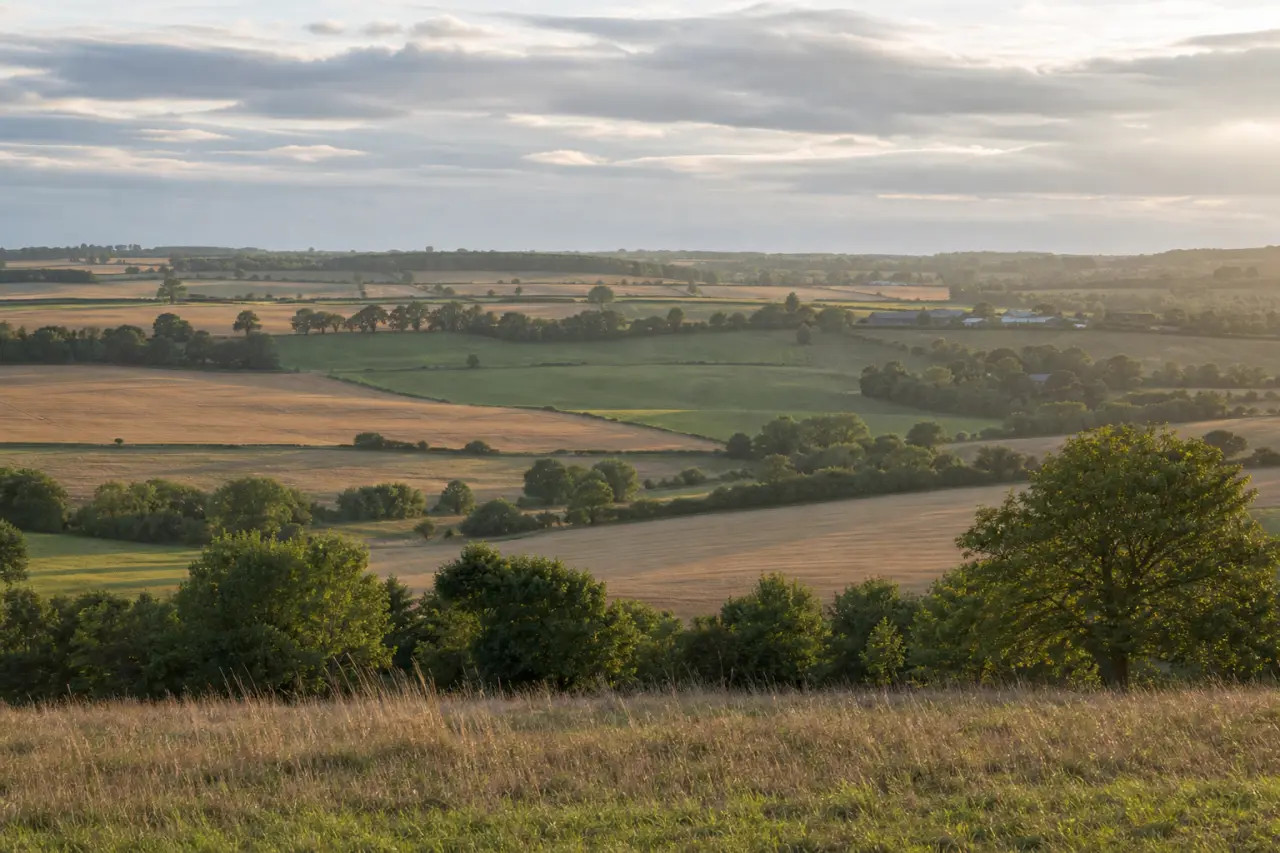
The county's landscape is characterised by gently rolling farmland, ancient woodland, and the distinctive Suffolk Coast & Heaths Area of Outstanding Natural Beauty. Land buyers are drawn to Suffolk's combination of rural tranquillity and economic connectivity, with Ipswich providing a cultural and commercial hub whilst smaller towns like Bury St Edmunds, Newmarket, and Felixstowe each offer distinct character and opportunities. The county benefits from excellent transport infrastructure including the A12 and A14 trunk roads, direct rail services to London Liverpool Street (typically under 90 minutes from Ipswich), and the Port of Felixstowe—Britain's largest container port—which drives significant commercial activity.

Types of Land Commonly Available

Agricultural Land dominates Suffolk's land market, with the county's Grade 2 and Grade 3 soils supporting predominantly arable farming. Large-scale cereal production, sugar beet, and oilseed rape are traditional uses, though increasingly diversified farming operations incorporate vegetables, fruit production, and sustainable farming practices. Parcels typically range from 20-acre smallholdings to substantial 200+ acre farms, with the most fertile land commanding premium prices in central areas around Stowmarket and Saxmundham.

Woodland and Conservation Land attracts buyers seeking ecological investment or leisure use. Ancient woodland parcels, particularly in the Sandlings area and around Thetford Forest's periphery, offer opportunities for conservation management, sustainable forestry, or private recreational use. These plots typically range from 5 to 50 acres and appeal to those prioritising environmental stewardship alongside potential timber income.

Equestrian Properties and Paddocks feature prominently, especially around Newmarket—the historic home of British horse racing. Small paddocks (2-10 acres) with stabling facilities or development potential command significant interest from the equestrian community, whilst larger training grounds occasionally become available near the famous gallops and studs.

Development Land and Building Plots appear regularly near growing towns, particularly on the outskirts of Ipswich, Bury St Edmunds, and Haverhill. Suffolk's ongoing housing demand, driven by London commuters and population growth, creates opportunities for residential development land, though planning considerations require careful navigation. Commercial and industrial land near the A14 corridor and Felixstowe port also attracts investment interest.

Amenity Land and Smallholdings suit lifestyle buyers seeking rural retreats or small-scale agricultural ventures. These 1-10 acre parcels, often with existing dwellings or outbuildings, are scattered throughout the county and appeal to those pursuing self-sufficiency, hobby farming, or simply countryside living within reach of urban amenities.

Notable Features and Infrastructure

The Suffolk Coast & Heaths Area of Outstanding Natural Beauty encompasses approximately 155 square miles of protected landscape from the Stour Estuary to Kessingland. Land within or adjacent to this designation faces additional planning scrutiny but offers exceptional amenity value and increasingly attracts conservation-focused buyers. Coastal erosion remains a significant consideration for land near Dunwich, Southwold, and Aldeburgh.

Transport connectivity significantly influences land values across Suffolk. The A14 corridor linking Felixstowe to the Midlands serves as the county's economic backbone, with land near junctions commanding premium prices for commercial use. The A12 provides direct access to London, whilst the East Suffolk railway line has seen recent investment improving coastal town connections. Ipswich station's direct services to London Liverpool Street (approximately 65 minutes) make surrounding areas increasingly attractive for commuter residential development.

Economic drivers beyond agriculture include the Port of Felixstowe (employing approximately 3,000 directly), BT's significant presence in Ipswich (major research facility at Adastral Park), and the horse racing industry centred on Newmarket. These employers create stable demand for residential development land and commercial properties. The growing renewable energy sector, particularly offshore wind farms served from Lowestoft and nearby Great Yarmouth, presents emerging opportunities for industrial and logistics land.

Natural Resources and Environmental Considerations: Suffolk's light, free-draining soils are nationally significant for agricultural productivity, though water availability can constrain intensive farming during dry periods. The county sits within several Natural England Priority Habitats, meaning land with biodiversity value may qualify for environmental stewardship schemes offering annual payments. Flood risk affects low-lying areas near the Rivers Waveney, Deben, Orwell, and Stour—the Environment Agency's flood maps should inform any land purchase decision in these areas.

Planning and Development Considerations

Planning policy in Suffolk is administered by multiple authorities: East Suffolk Council, West Suffolk Council, Ipswich Borough Council, and Suffolk County Council for minerals and waste. Understanding which authority governs your intended purchase is essential, as local plans vary considerably in their approach to development.

Agricultural to residential conversion remains challenging but not impossible. Suffolk's councils generally resist rural residential development outside designated settlement boundaries, prioritising brownfield sites and allocated housing areas. However, obtaining planning permission for agricultural workers' dwellings, conversion of traditional farm buildings, or small-scale rural exception sites may be viable with compelling justification. The Community Infrastructure Levy applies in some districts, adding costs to development projects.

Change of use applications for agricultural buildings to commercial uses (particularly storage, light industrial, or tourism accommodation) have seen increasing success rates, reflecting Suffolk's diversifying rural economy. Permitted development rights allow certain agricultural building conversions to residential use without full planning permission, though eligibility criteria and prior approval requirements apply—professional planning advice is strongly recommended before purchase if conversion is intended.

Environmental designations significantly impact development potential. Beyond the AONB, Suffolk contains numerous Sites of Special Scientific Interest (SSSIs), Special Areas of Conservation (SACs), and Special Protection Areas (SPAs). Land within or near these designations faces heightened ecological assessment requirements. Tree Preservation Orders (TPOs) protect significant specimens and woodland, potentially restricting land management options.

Contaminated land registers maintained by district councils identify sites with potential contamination from historical industrial use—particularly relevant near former airbases, industrial sites, and railway land. Due diligence should include environmental searches before committing to purchase.

For buyers considering land development, securing a professional valuation early in the process helps establish realistic financial parameters and negotiating positions, particularly important given Suffolk's varied land values by location and quality.

Investment Potential and Market Trends

Suffolk's land market has demonstrated resilience through economic cycles, underpinned by consistent agricultural productivity and growing residential demand. Agricultural land values have appreciated steadily over the past decade, albeit with recent moderation reflecting subsidy reform and commodity price volatility. Prime arable land near market towns commands £10,000-£12,000 per acre, whilst more marginal land or that requiring drainage improvements trades at £6,000-£8,000 per acre.

Residential development land shows strongest appreciation potential, particularly around Ipswich's growth areas (including the former Ipswich Garden Suburb proposals) and expanding market towns like Bury St Edmunds and Haverhill. West Suffolk's economic growth, supported by strategic employment sites and housing allocations, creates above-average development land values where planning permission can be secured. Land with realistic planning prospects may achieve multiples of agricultural value, though securing consent remains the critical success factor.

Lifestyle and amenity purchases have accelerated post-pandemic, with small woodland plots and rural smallholdings experiencing strong demand from buyers seeking private outdoor space and lifestyle change. This segment shows less price sensitivity than pure agricultural investment, with premium prices paid for parcels offering unique amenity features—water frontage, mature woodland, or historical features.

Environmental land markets are emerging as significant investment opportunities. Biodiversity Net Gain requirements (mandatory for developments from 2026) create demand for habitat creation and enhancement sites. Carbon offsetting schemes and woodland creation grants offer alternative income streams from marginal agricultural land. Suffolk's relatively low existing woodland cover (approximately 7% versus 10% national average) suggests significant afforestation potential where land quality and location permit.

Risks and considerations include agricultural subsidy transition uncertainty as Environmental Land Management schemes replace EU-era payments, potential inheritance tax changes affecting agricultural property relief, and climate change impacts—particularly water availability during growing seasons and coastal erosion on Suffolk's vulnerable coastline. However, fundamental drivers—agricultural productivity, strategic location, housing demand, and amenity value—underpin Suffolk's continued appeal for land investors.

For comprehensive guidance on the entire purchasing process, from initial search through completion, consult our complete guide to buying land in the UK, which addresses due diligence, legal considerations, and financing options applicable to Suffolk land purchases.

Conclusion

Suffolk offers diverse land investment opportunities across agricultural, residential development, environmental, and amenity sectors. The county's combination of productive farmland, strategic transport links, growing towns, and protected landscapes creates varied investment profiles suitable for different buyer objectives. Whether seeking large-scale agricultural investment, small lifestyle plots, or development opportunities, Suffolk's land market rewards thorough research, local knowledge, and appropriate professional advice. With careful site selection and realistic planning assessment, land purchases in Suffolk offer both immediate amenity value and long-term financial appreciation potential within one of England's most characterful and historically significant counties.

Looking for Land in Suffolk?

Tell us what you're looking for and we'll help you find the right plot.