Land for Sale in Oxfordshire
South East · ENGLAND
Key Facts
Avg. Price/Acre
£10,000
area
1006 sq miles
major Towns
Oxford, Banbury, Bicester, Witney, Abingdon
population
700,000
Local Planning Authority: View planning portal →
# Land for Sale in Oxfordshire
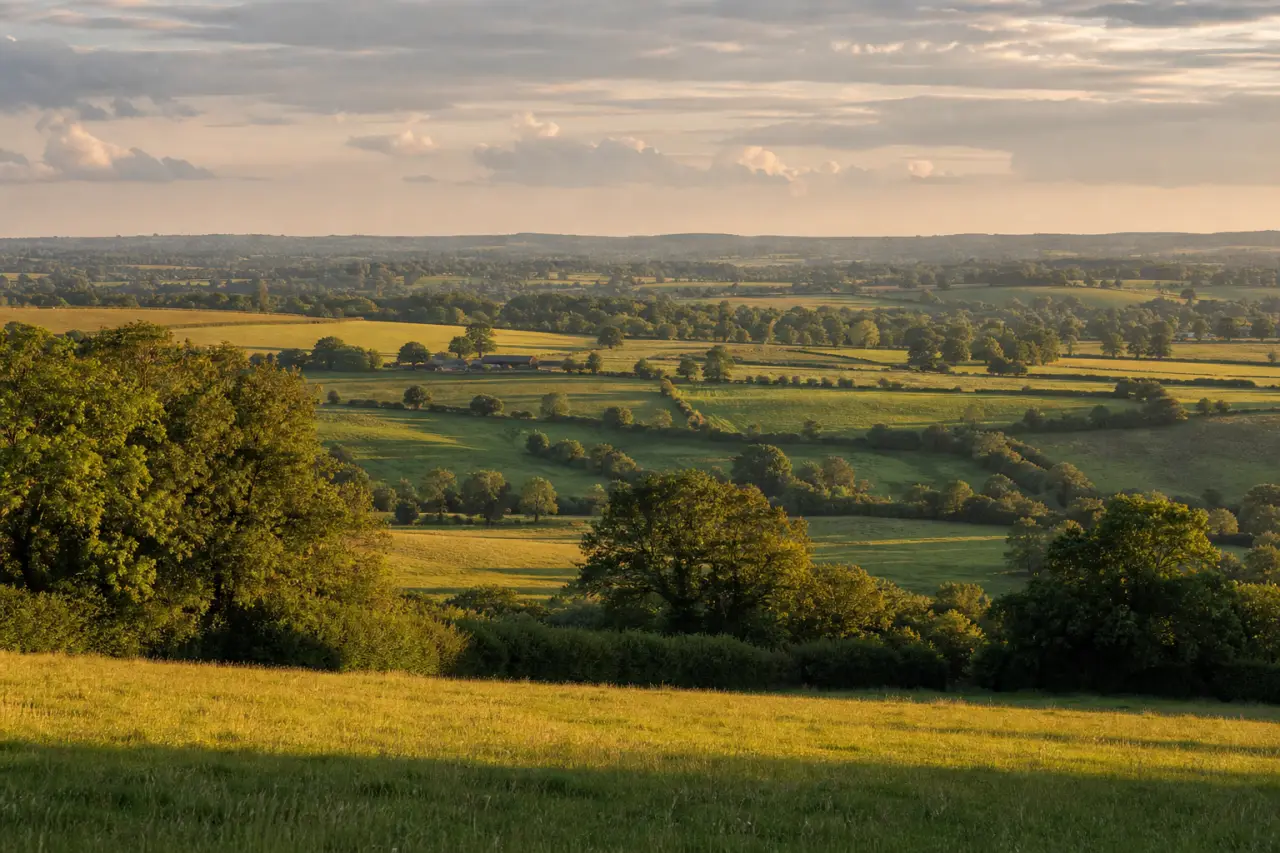
Oxfordshire presents a distinctive land market shaped by its position as a high-growth economic corridor whilst retaining significant rural character. The county encompasses approximately 1,006 square miles stretching from the Cotswolds in the west to the Chilterns in the south-east, with land values reflecting both agricultural potential and development pressure from Oxford's expanding economy and the surrounding Science Vale enterprise zone.
The land market here is notably diverse, ranging from productive agricultural estates in the Vale of White Horse to potential development sites around the Oxford-Cambridge Arc growth corridor. Buyers will find Oxfordshire's planning landscape complex, with five district councils plus the county authority overseeing strategic planning, alongside strict Green Belt protections around Oxford itself. The county's exceptional transport connectivity—including the M40, planned East-West Rail, and proximity to London—makes it particularly attractive for investors considering long-term capital appreciation.
Demand for land in Oxfordshire consistently outstrips supply, particularly for smaller plots suitable for equestrian use, lifestyle holdings, or potential development. The county's reputation for quality of life, outstanding schools, and thriving employment sectors (notably science, technology, and education) ensures continued pressure on available land resources.
Types of Land Available in Oxfordshire
Agricultural Land: Oxfordshire's farming landscape is predominantly arable, with Grade 2 and Grade 3 agricultural land common across the Vale of White Horse and North Oxfordshire plains. Typical holdings range from 50 to 500+ acres, with established farming estates occasionally coming to market north of Banbury and around Witney. Clay soils in the north support mixed farming, whilst the lighter soils in southern areas are particularly suited to cereals and oilseed rape.
Equestrian and Lifestyle Holdings: Smaller parcels (5-50 acres) with equestrian facilities or potential command premium prices, especially within reach of Oxford, Bicester, and the commuter belt. The county's strong equestrian culture, supported by numerous riding centres and events, maintains robust demand for paddocks with stabling.
Woodland: Ancient woodland and commercial forestry plots appear periodically, particularly in the Chilterns AONB and around the Wychwood Forest area west of Charlbury. Buyers should note that much of Oxfordshire's woodland has protective designations requiring sensitive management.
Development Land and Land with Potential: Sites with development prospects are highly sought after, particularly around Bicester (designated as a Garden Town with substantial expansion plans), Didcot (Science Vale growth area), and along strategic transport corridors. The Oxfordshire Housing and Growth Deal is driving significant housing delivery, though land with realistic planning prospects remains scarce due to Green Belt and AONB constraints.
Notable Features and Geographic Considerations
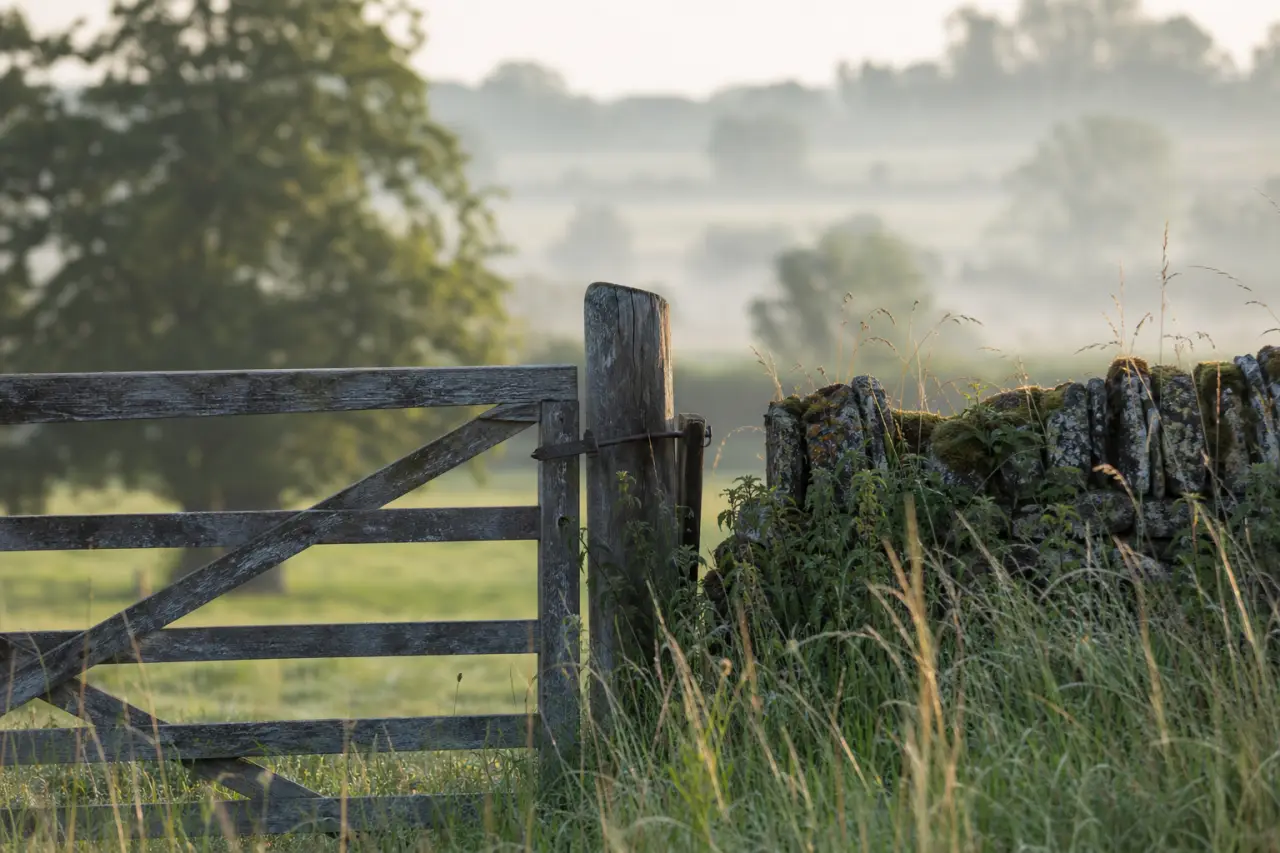
The Cotswolds Area of Outstanding Natural Beauty covers the western portion of Oxfordshire, encompassing picturesque stone villages and rolling hills where planning restrictions are stringent and land values reflect the prestigious postcode. The Chilterns AONB extends into southern Oxfordshire, offering dramatic beech woodland landscapes with similarly protective planning policies.
Oxfordshire benefits from exceptional connectivity. The M40 motorway provides direct links to London and Birmingham, whilst the A34 serves as a major north-south artery. Oxford Station offers regular services to London Paddington (under an hour) and the planned East-West Rail connection will significantly enhance east-west links to Cambridge and Milton Keynes, likely impacting land values along this corridor.
The Oxford-Cambridge Arc designation positions Oxfordshire at the heart of national growth strategy, with Bicester, Didcot, and Oxford itself identified for substantial economic and housing expansion. This creates opportunities but also increases competition for land with development potential.
Science Vale around Didcot and Harwell represents one of Europe's leading innovation districts, hosting major research facilities including the Harwell Science and Innovation Campus. This drives employment growth and housing demand, supporting land values in South Oxfordshire.
Planning and Development Considerations
Oxfordshire's planning landscape requires careful navigation. The county operates a two-tier system with Oxfordshire County Council handling strategic planning, minerals, and waste, whilst five district councils (Oxford City, South Oxfordshire, Vale of White Horse, West Oxfordshire, and Cherwell) determine most planning applications.
Green Belt surrounding Oxford is rigorously protected, making development opportunities within these areas exceptionally rare. However, the Oxfordshire Plan 2050 (currently in development) may identify strategic sites for release, making it crucial for prospective buyers to monitor emerging policy.
The county has ambitious housing targets, with the Oxfordshire Housing and Growth Deal committing to deliver 100,000 new homes by 2031. Major growth is focused on Bicester Garden Town (13,000 new homes), Didcot Garden Town (15,000 homes), and strategic sites around Oxford. Land adjacent to or within these growth corridors may offer future development potential, though competition is intense.
Agricultural land quality is a material consideration in planning decisions. The best and most versatile land (Grades 1, 2, and 3a) receives greater protection from development, though this can be outweighed by strategic housing need in allocated sites.
For those considering purchasing land with development aspirations, engaging with planning permission processes early is essential. Pre-application discussions with the relevant district council can provide valuable insight into the likelihood of obtaining consent.
Environmental considerations include flood risk, particularly along the Thames Valley and in areas around Abingdon and Oxford. Buyers should commission thorough flood risk assessments and environmental surveys. Parts of Oxfordshire also have historical contamination issues from former industrial sites, particularly around older market towns.
Investment Potential and Market Trends
Oxfordshire's land market has demonstrated consistent long-term appreciation, driven by constrained supply and multiple demand factors. Agricultural land currently trades at approximately £8,000-£12,000 per acre for arable holdings, though prime estates with residential properties can exceed £15,000 per acre. These figures place Oxfordshire above national averages, reflecting the competitive market.
Smaller parcels suitable for equestrian or amenity use command significant premiums, often achieving £15,000-£25,000+ per acre depending on location, access, and facilities. Proximity to Oxford, good schooling, and transport links are key value drivers.
Land with credible development potential operates in a different market entirely, with values determined by residual land value calculations based on potential housing numbers and local property values. In premium locations, such land can achieve values many multiples above agricultural rates.
Several trends are shaping the market:
Biodiversity Net Gain: New regulations requiring development to deliver 10% biodiversity net gain are creating opportunities for landowners to establish habitat banks, potentially generating income from biodiversity units.
Environmental Land Management Schemes: Post-Brexit agricultural support through ELMS (Environmental Land Management schemes) is shifting the economics of farming, with some landowners pivoting towards environmental management, carbon sequestration, or natural capital projects.
Renewable Energy: Solar farm and battery storage proposals are increasing across Oxfordshire, with developers seeking suitable sites (typically 20+ acres of lower-grade agricultural land) near grid connections. This creates alternative income streams for landowners.
Oxford-Cambridge Arc: The strategic importance of this growth corridor continues to influence land values and investment interest, despite some policy uncertainty. Land positioned along planned transport corridors or near designated growth areas attracts particular attention.
For those new to land investment, The Complete Guide to Buying Land in the UK provides essential foundational knowledge, whilst obtaining a professional valuation specific to Oxfordshire's market conditions is advisable before making offers.
Key Locations and Market Characteristics
North Oxfordshire (Banbury area): More affordable agricultural land, good arable potential, proximity to M40, less development pressure than southern areas.
Cherwell District (Bicester and surrounding): Significant development opportunities due to Garden Town status, strong demand for smaller holdings, excellent transport links including forthcoming East-West Rail.
West Oxfordshire (Witney, Woodstock, Chipping Norton): Cotswolds AONB influences much of the area, premium land values, limited development potential but strong lifestyle buyer demand.
Vale of White Horse (Abingdon, Wantage, Faringdon): High-quality agricultural land, Science Vale employment growth driving residential demand, some flood risk areas require careful assessment.
South Oxfordshire (Henley, Thame, Wallingford): Premium market reflecting proximity to London, Chilterns AONB, exceptional schools, limited supply of available land.
Practical Considerations for Buyers
Successful land acquisition in Oxfordshire requires thorough due diligence. Engage local land agents familiar with district-specific planning nuances and market values. Legal due diligence should address rights of way, restrictive covenants, agricultural tenancies, and mineral rights—all common complications in this historic county.
Access can be a critical issue, particularly for landlocked parcels or those accessed via shared tracks. Establishing legal rights of access before exchange is essential.
For those purchasing agricultural land, consider whether the holding is viable as a standalone unit or better suited to amalgamation with neighbouring farms. The economics of modern farming often favour scale.
Oxfordshire's land market rewards patience and local knowledge. Competition for the best opportunities is fierce, but the county's combination of accessibility, economic strength, and environmental quality makes it an enduring choice for land investment across all categories.
Land Valuation
Get a free estimate for land in Oxfordshire
Buying Guides
Expert advice on purchasing land
Looking for Land in Oxfordshire?
Tell us what you're looking for and we'll help you find the right plot.