Land for Sale in Lincolnshire
East Midlands · ENGLAND
Key Facts
Avg. Price/Acre
£9,500
area
2,687 sq miles
major Towns
Lincoln, Boston, Grantham, Skegness, Stamford
population
770,000
Local Planning Authority: View planning portal →
# Land for Sale in Lincolnshire
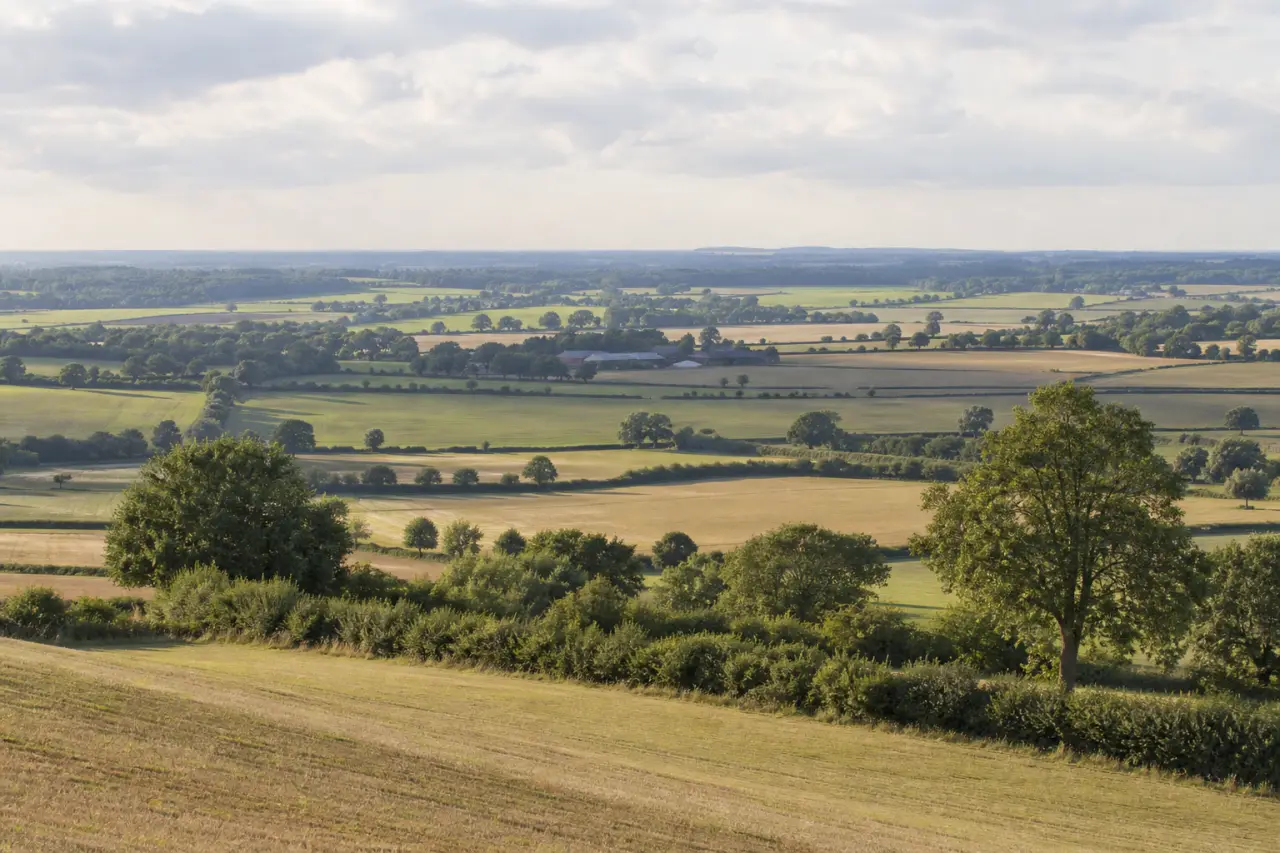
Lincolnshire represents one of England's premier agricultural regions and offers exceptional opportunities for land buyers seeking productive farmland, development sites, and rural investment parcels. Stretching from the Humber estuary in the north to The Wash in the south, this predominantly flat county encompasses 2,687 square miles of fertile countryside, making it the second-largest ceremonial county in England. With a population of approximately 770,000 concentrated in historic market towns such as Lincoln, Boston, Grantham, Skegness, and Stamford, much of the county remains genuinely rural, characterised by expansive agricultural landscapes and traditional fenland drainage systems.
The land market in Lincolnshire is driven primarily by agricultural demand, with the county producing significant quantities of cereals, vegetables, and salad crops. The distinctive topography—from the rolling Lincolnshire Wolds to the flat expanses of the Fens—creates varied opportunities for different land uses. Agricultural land values in Lincolnshire typically range from £8,000 to £12,000 per acre, though premium arable land with excellent drainage and accessibility can command higher prices. The county's accessibility to major markets via the A1, A15, and improving rail links to London makes it increasingly attractive for both agricultural investors and those seeking sites with development potential.
For prospective land buyers, Lincolnshire offers a less congested alternative to counties closer to London whilst maintaining strong transport connections and genuine rural character. The county's relatively affordable land prices compared to southern England, combined with consistent agricultural productivity and growing interest in renewable energy projects, make it a compelling destination for long-term land investment.
Types of Land Commonly Available in Lincolnshire
Agricultural Land dominates the Lincolnshire market, with both arable and pastoral holdings regularly available. The fenland areas around Boston, Spalding, and Holbeach feature Grade 1 and 2 agricultural land—some of Britain's most productive—commanding premium prices. These fertile black soils are particularly suited to vegetable production, with the area producing approximately 40% of England's vegetables. Arable holdings typically range from 50 to 500+ acres, with tenant farmers and institutional investors forming a strong buyer base.
Development Land and Plots with Potential appear regularly, particularly around expanding towns such as Grantham (benefiting from excellent rail connectivity to London) and the county town of Lincoln. Residential plots with planning permission are especially sought after in commuter villages along the A1 corridor and in characterful market towns like Stamford and Louth. The county's planning authority operates through several district councils, each with distinct local plans addressing housing need and economic growth.
Woodland and Conservation Land exists in smaller quantities, primarily in the Lincolnshire Wolds Area of Outstanding Natural Beauty and along the western escarpment. Mixed woodland parcels of 5-50 acres attract buyers seeking recreational land, nature conservation projects, or forestry investment. The county's relatively low woodland cover (approximately 5% compared to the national average of 13%) means such parcels are particularly valued.
Equestrian and Smallholding Land is increasingly popular, especially in villages surrounding Lincoln, Sleaford, and Market Rasen (home to one of England's few remaining National Hunt racecourses). Parcels of 2-20 acres with existing stabling or suitable for conversion attract lifestyle buyers and professional equestrians alike. If you're considering purchasing land in this category, our complete guide to buying land in the UK provides essential advice on due diligence and legal considerations.
Renewable Energy Sites have gained prominence, with Lincolnshire's flat topography and consistent winds making it ideal for solar and wind energy installations. Agricultural landowners increasingly consider energy projects as diversification opportunities, and developers actively seek suitable sites with grid connectivity.
Notable Features and Infrastructure
The Lincolnshire Wolds Area of Outstanding Natural Beauty represents a distinctive landscape of rolling chalk hills, the highest points in eastern England between Yorkshire and Kent. This protected landscape influences planning policy and restricts certain types of development, though well-designed proposals respecting the area's character may receive support. Land within the Wolds commands premium prices due to its scenic value and recreational appeal.
Transport Infrastructure has improved significantly in recent years. The A1 provides the primary north-south corridor, whilst the A17, A15, and A16 serve agricultural and commercial traffic. The East Coast Main Line stops at Grantham, offering 75-minute services to London King's Cross, making this area increasingly attractive for commuters. Lincoln has direct rail services to Nottingham, Sheffield, and London, though journey times exceed two hours. The county's extensive agricultural operations depend on the ports at Boston, Immingham (just across the Humber), and King's Lynn in neighbouring Norfolk.
Economic Drivers centre on agriculture and food processing, with businesses including Bakkavor (prepared foods), Tulip (meat processing), and numerous vegetable packing operations. The defence sector maintains a significant presence through RAF bases at Coningsby, Waddington, and Scampton, providing employment stability. Lincoln's university and the county's engineering heritage (home to companies like Siemens) contribute to a diversifying economy.
Planning and Development Considerations
Lincolnshire's planning landscape operates through seven district councils (Boston, East Lindsey, Lincoln, North Kesteven, South Holland, South Kesteven, and West Lindsey), each with individual local plans setting housing targets and development boundaries. The county council provides strategic guidance on mineral extraction, waste, and transport infrastructure.
Agricultural to Residential Conversion opportunities exist, particularly where sites adjoin existing settlement boundaries in villages identified for growth. However, applicants should expect rigorous scrutiny of landscape impact, highway safety, and flood risk. The county's planning framework strongly protects the best and most versatile agricultural land (Grades 1, 2, and 3a) from development unless exceptional circumstances apply. Understanding planning permission requirements is essential before pursuing any development scheme.
Flood Risk constitutes a significant consideration across large parts of Lincolnshire, particularly in low-lying fenland areas and along the coast. The Environment Agency's flood risk maps should be consulted for any land purchase, as properties and land in Flood Zones 2 and 3 face planning restrictions and may require flood resilience measures. Internal Drainage Boards operate across much of the county, levying charges on landowners for maintaining the extensive network of drains and watercourses.
Environmental Designations beyond the Wolds AONB include numerous Sites of Special Scientific Interest (SSSIs), particularly along the coastal margins and in the fenland. The Lincolnshire Coast forms part of the character of the county's eastern edge, with designated nature reserves at Gibraltar Point and Saltfleetby-Theddlethorpe Dunes. Any land purchases in or near these areas will be subject to environmental constraints.
Agricultural Permitted Development Rights have expanded in recent years, allowing certain farm buildings to convert to residential use without full planning permission (subject to prior approval). This has created opportunities for agricultural landowners to diversify income, though each case depends on the specific building's characteristics and planning history.
Investment Potential and Market Trends
Lincolnshire's land market has demonstrated resilience, supported by consistent agricultural demand and the county's reputation for productive farming. Several trends make the area particularly interesting for land investors:
Agricultural Fundamentals remain strong, with post-Brexit agricultural policy emphasising food security and environmental land management. The county's grade 1 and 2 land continues to attract institutional investors and farming businesses seeking to expand productive capacity. Average agricultural land values in Lincolnshire currently sit around £9,500 per acre, representing good value compared to counties in the South East and East Anglia.
Development Pressure is increasing selectively, particularly around Grantham, where the town's excellent rail connectivity and government-designated growth area status create strategic development opportunities. Land with development potential within or adjacent to settlement boundaries commands significant premiums over agricultural value. To understand current values in your area of interest, our professional valuation service provides tailored assessments.
Renewable Energy continues to transform rural land economics. Solar farm developers pay rent typically ranging from £800-£1,200 per acre annually for 25-40 year leases, providing index-linked income superior to traditional agricultural rent. Wind energy, whilst more contentious locally, offers similar long-term income potential where planning permission can be secured.
Lifestyle and Amenity Buyers increasingly recognise Lincolnshire's appeal for rural living at accessible price points. Smallholdings, equestrian properties, and woodland parcels attract buyers from across the Midlands and South East seeking quality of life improvements. The county's historic market towns—particularly Stamford, consistently rated among Britain's finest—command premium prices for residential land and property.
Infrastructure Investment including ongoing improvements to the A1, proposed housing growth, and digital connectivity upgrades suggest long-term capital appreciation potential. Areas like North Hykeham and Gainsborough benefit from their proximity to Lincoln and strategic development allocations.
The Lincolnshire land market offers a compelling combination of agricultural productivity, development potential in selected locations, and affordable entry points compared to southern England. Whether seeking productive farmland, a rural plot for self-build, or strategic development opportunities, this historic county warrants serious consideration from land buyers seeking value and long-term growth potential.
Land Valuation
Get a free estimate for land in Lincolnshire
Buying Guides
Expert advice on purchasing land
Looking for Land in Lincolnshire?
Tell us what you're looking for and we'll help you find the right plot.