Land for Sale in Isle of Wight
South East · ENGLAND
Key Facts
Avg. Price/Acre
£10,000
area
147 sq miles
major Towns
Newport, Ryde, Cowes, Sandown, Ventnor
population
142,000
Local Planning Authority: View planning portal →
# Land for Sale on the Isle of Wight
The Isle of Wight presents a unique opportunity for land buyers seeking property in one of England's most distinctive locations. As Britain's largest island, separated from mainland Hampshire by the Solent, this 147-square-mile territory offers a fascinating blend of accessibility and island living. The land market here differs significantly from mainland England, with coastal proximity, tourism infrastructure, and protected landscapes creating specific considerations for prospective buyers.
With a permanent population of approximately 142,000, the island maintains a balanced economy centred around tourism, marine industries, and sustainable agriculture. The Isle of Wight's reputation as a retirement destination and holiday hotspot influences land values and development potential, whilst its designation as an Area of Outstanding Natural Beauty (AONB) covering nearly half the island brings additional planning considerations. For land buyers, this creates opportunities ranging from agricultural smallholdings to potential development sites in established settlements like Newport, Ryde, Cowes, Sandown, and Ventnor.
The island's transport links via Red Funnel and Wightlink ferry services from Southampton, Portsmouth, and Lymington ensure regular connectivity to the mainland, though this does add logistical considerations for construction projects and ongoing land management. The island's relatively compact size means most locations are within a 30-minute drive of ferry terminals, making land ownership practical even for buyers based on the mainland.
Types of Land Commonly Available on the Isle of Wight
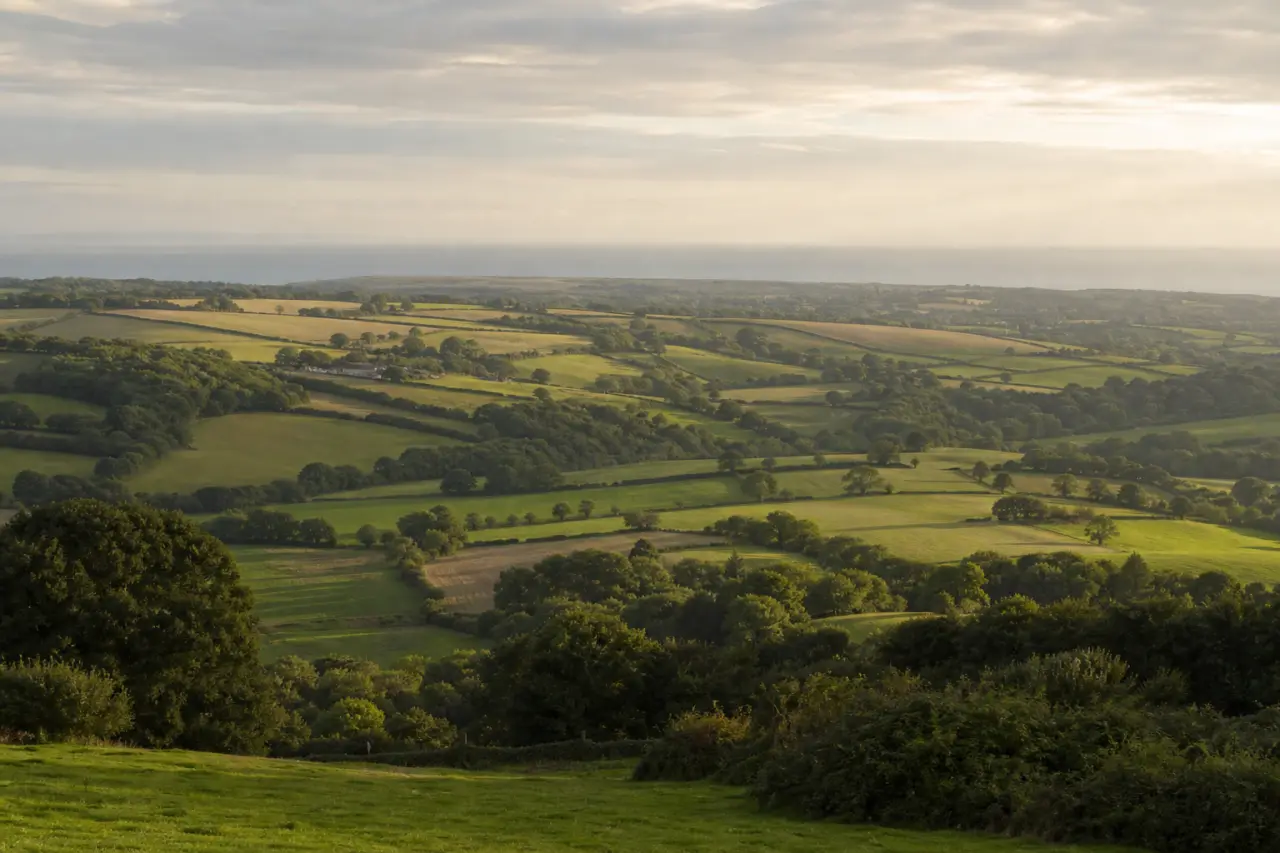
Agricultural Land remains the most prevalent type available, with the island's farming heritage still evident across its gently rolling landscape. Pasture land for grazing dominates, particularly in the central chalk downlands, with average field sizes typically smaller than mainland equivalents. Arable land is less common but present, especially in the northern and eastern areas. Prices for agricultural land generally range between £8,000-£12,000 per acre, though this varies significantly based on accessibility, existing infrastructure, and proximity to settlements.
Woodland and Amenity Land features regularly in the island's property market, with ancient woodland sites and commercial forestry blocks available from time to time. The island's mild maritime climate supports diverse woodland types, and parcels often appeal to conservation buyers or those seeking private recreational spaces. Smaller amenity plots of 1-5 acres are particularly sought after by those wanting a lifestyle change or small-scale self-sufficiency projects.
Paddock Land commands premium prices due to consistent demand from the island's substantial equestrian community. Properties with stabling, ménages, or conversion potential for equestrian facilities attract particular interest. The island hosts numerous riding schools, livery yards, and equestrian events, creating steady demand for suitable grazing land.
Coastal and Clifftop Land occasionally becomes available, though such opportunities are rare and typically command significant premiums. Coastal erosion particularly affects the south-western coast between Ventnor and Niton, requiring careful geological assessment before purchase. Land with sea views or coastal access attracts buyers seeking unique lifestyle properties or tourism-related development opportunities.
Notable Features and Infrastructure
The Isle of Wight's designation as an Area of Outstanding Natural Beauty encompasses approximately 50% of the island, including iconic landscapes such as Tennyson Down, The Needles, and the dramatic chalk cliffs along the southern coast. This AONB status significantly influences development potential and planning policy, with stringent protections ensuring landscape character preservation. Buyers should research whether prospective land falls within these boundaries before committing to purchase.
Transport infrastructure centres on the A3054, A3055, and A3056 roads connecting major settlements, whilst the Island Line railway runs between Ryde and Shanklin. Ferry terminals at Fishbourne, Yarmouth, Ryde, and East Cowes provide mainland connectivity, though crossing costs and schedules affect the economics of land-based businesses. For construction projects, materials transport adds approximately £100-150 per load compared to mainland equivalents.
The island's tourism economy, hosting events like the world-famous Isle of Wight Festival and Cowes Week, creates opportunities for land with tourism development potential, though securing planning permission for such uses requires demonstrating alignment with local plan policies. The island welcomes approximately 2.5 million visitors annually, supporting a substantial hospitality sector.
Economic activity includes the aerospace composites industry in East Cowes, marine engineering in Cowes itself, and expanding renewable energy sectors. The island's Floating Bridge at Cowes remains an iconic transport link, whilst ongoing infrastructure improvements include broadband expansion reaching most areas with superfast connectivity.
Planning and Development Considerations
The Isle of Wight Council serves as the unitary planning authority, administering development control across the entire island. The current Island Planning Strategy emphasises sustainable development within existing settlement boundaries, protection of the AONB, and addressing local housing needs whilst preserving landscape character. This creates a challenging environment for speculative land purchases hoping for development consent.
Permitted development rights often provide the most viable route for land development, particularly agricultural buildings, though these remain subject to prior approval processes and size limitations. Converting existing agricultural buildings to residential use under Class Q permitted development has gained popularity, though structural integrity requirements and location restrictions apply.
For land within or adjacent to settlements like Newport, Ryde, Sandown, Ventnor, or Cowes, development potential varies significantly by specific location. The council maintains a five-year housing land supply, though allocated sites face delivery challenges due to infrastructure constraints and viability issues. Green field sites outside settlement boundaries face substantial policy resistance unless meeting specific rural exception criteria.
Conservation areas across 43 settlements add further controls over development character and design. Listed buildings and scheduled ancient monuments are relatively common, requiring specialist advice when purchasing land with heritage assets. Archaeological potential assessments often form part of planning applications, particularly near Roman villa sites or prehistoric monuments.
Environmental considerations include flood risk in low-lying coastal areas and along the Eastern Yar and Medina river valleys. Climate change and rising sea levels make flooding assessments increasingly important for coastal land purchases. The Isle of Wight's unique geology, including unstable clay formations in coastal areas, requires specialist ground investigation for development projects.
For those considering planning permission applications, engaging with the council's pre-application advice service proves valuable given the island's specific policy context. Agricultural ties and local occupancy conditions occasionally restrict residential development on rural land, requiring legal due diligence before purchase.
Investment Potential and Market Trends
The Isle of Wight land market exhibits distinct characteristics compared to mainland South East England. Whilst population growth remains modest, demographic changes create specific opportunities. An ageing population drives demand for accessible housing, potentially affecting development land values near settlements with good facilities and transport links.
Average agricultural land prices of approximately £10,000 per acre remain below mainland Hampshire equivalents (typically £12,000-£15,000), reflecting island location challenges including ferry costs and smaller market size. However, amenity buyers seeking lifestyle opportunities often pay premiums above agricultural values, particularly for well-located smallholdings with existing dwellings or conversion potential.
The tourism sector creates opportunities for diversification-minded landowners, with camping, glamping, and holiday accommodation experiencing strong demand. Changes to permitted development rights for campsites (limited to 28-60 days annually without planning permission) and established site operators expanding facilities demonstrate market confidence. Land suitable for tourism uses near attractions or beaches commands premiums, though planning constraints and seasonal occupancy restrictions require careful evaluation.
Renewable energy potential includes solar installations on agricultural land, though grid connection capacity and visual impact within the AONB limit opportunities. Several solar farms operate successfully, demonstrating viable business models for suitable sites. Small-scale wind generation faces planning challenges due to landscape sensitivity.
Several factors suggest continued land market stability. The island's appeal for quality of life attracts buyers seeking relocation from mainland urban areas, supporting demand for lifestyle smallholdings. Remote working trends since 2020 have strengthened this pattern, with improved digital connectivity making island living increasingly practical for professional buyers. Agricultural land values show resilience due to limited supply and consistent local farming community demand.
For buyers seeking to understand their land's potential value, obtaining a professional valuation provides essential market context specific to the Isle of Wight's unique characteristics. Those new to land purchase should consult comprehensive buying guides addressing legal, practical, and financial considerations relevant to island property ownership.
Key Considerations for Buyers
Potential land buyers should carefully assess access arrangements, as many rural plots rely on private roads or shared tracks requiring maintenance agreements. Rights of way commonly cross agricultural land, with the island's extensive footpath network popular among residents and tourists alike. Legal advice ensuring clear title and defined boundaries proves essential.
Utilities connectivity varies significantly, with mains water and electricity generally available near settlements but potentially requiring substantial connection costs for remote plots. Mains drainage remains absent from much rural land, necessitating septic tanks or treatment plants for any residential development. Water supply occasionally proves challenging for agricultural use, with mains connections expensive and borehole licensing tightly controlled.
Ecological surveys frequently identify protected species including bats, dormice, great crested newts, and red squirrels, potentially affecting development timetables and costs. The island's special biodiversity requires appropriate mitigation measures for development projects.
The Isle of Wight offers land buyers a distinctive market combining accessibility, natural beauty, and lifestyle appeal. Whilst planning constraints and island logistics create specific challenges, opportunities exist for those willing to embrace this unique location's characteristics. Whether seeking agricultural investment, lifestyle smallholdings, or potential development land, thorough research and professional advice remain essential for successful purchases in this special corner of England.
Land Valuation
Get a free estimate for land in Isle of Wight
Buying Guides
Expert advice on purchasing land
Looking for Land in Isle of Wight?
Tell us what you're looking for and we'll help you find the right plot.