Land for Sale in East Sussex
South East · ENGLAND
Key Facts
Avg. Price/Acre
£10,000
area
692 sq miles
major Towns
Brighton, Eastbourne, Hastings, Lewes, Hove
population
834,000
Local Planning Authority: View planning portal →
# Land for Sale in East Sussex
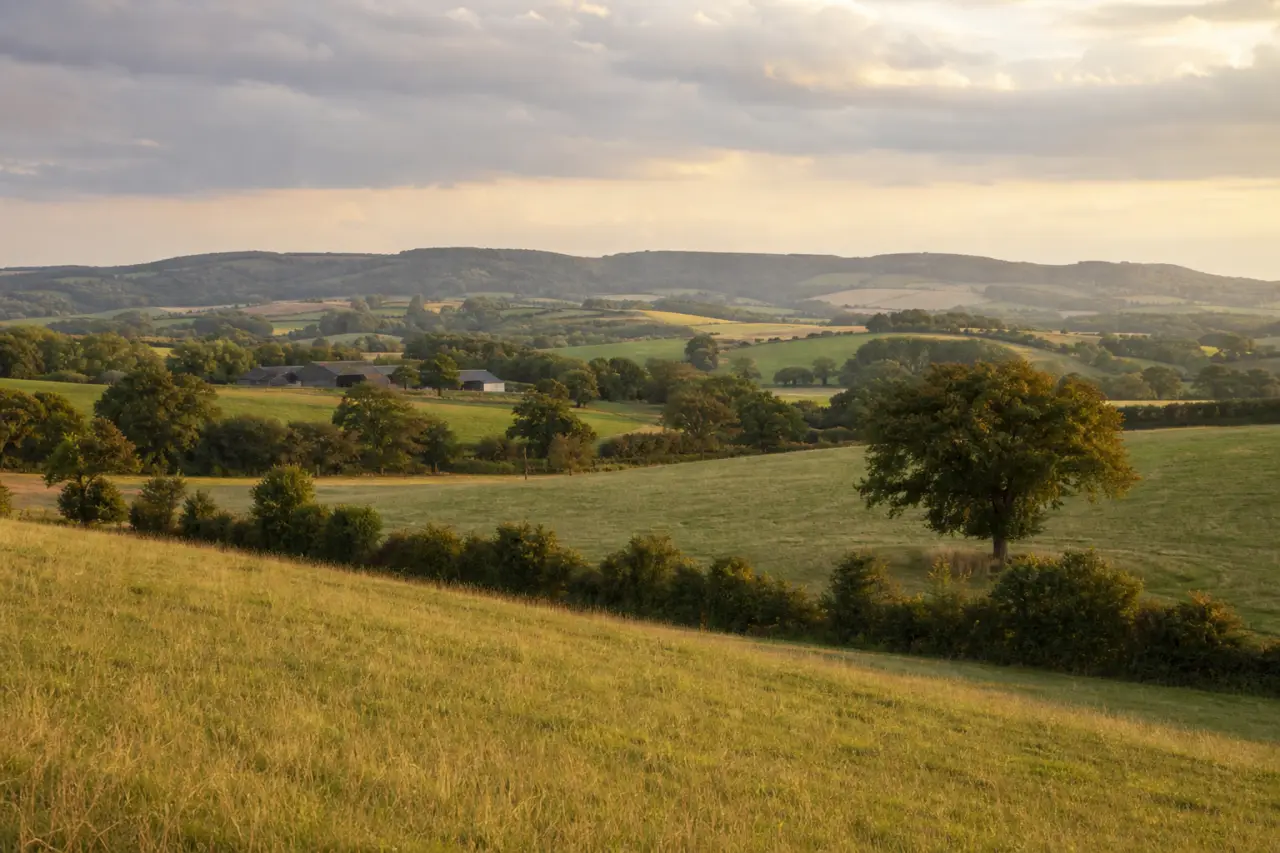
East Sussex represents one of southern England's most diverse and sought-after land markets, stretching from the vibrant coastal cities of Brighton and Hove in the west to the historic harbour town of Hastings in the east. This 692 square mile county offers prospective land buyers an exceptional range of opportunities, from rolling chalk downland and ancient woodland to coastal plots with sea views and productive agricultural holdings in the Low Weald.
The county's proximity to London—with Brighton just 54 minutes by train from the capital—has significantly influenced land values and development potential. Combined with excellent road links via the A23 and A27, East Sussex attracts investors seeking everything from smallholdings and lifestyle blocks to strategic development land. The presence of two national landscapes—the South Downs National Park and the High Weald Area of Outstanding Natural Beauty—adds both prestige and complexity to the land market, with planning restrictions balanced against the enduring appeal of these protected landscapes.
With a population of 834,000 and major employment centres in Brighton & Hove, Eastbourne, and increasingly in Hastings (benefiting from regeneration initiatives), East Sussex offers land buyers the rare combination of rural tranquillity and urban accessibility. Understanding the county's distinct character areas, planning frameworks, and market dynamics is essential for anyone considering a land purchase in this competitive market.
Types of Land Commonly Available
Agricultural Land: The Low Weald clay soils support productive arable farming and livestock grazing, with holdings ranging from small paddocks to substantial farms of several hundred acres. Coastal plain agricultural land near Bexhill and Pevensey Levels offers different characteristics, though flood risk assessments are increasingly important. Grade 3 agricultural land predominates, with pockets of Grade 2 in sheltered valleys.
Woodland and Forestry: Ancient woodland covers significant areas, particularly in the High Weald, with mixed deciduous plots attracting conservation-minded buyers and those seeking carbon offsetting opportunities. Commercial forestry holdings occasionally come to market, particularly in the Ashdown Forest periphery.
Equestrian Properties: The county's extensive bridleway network and equestrian culture creates strong demand for paddocks, small acreages with stabling potential, and established livery facilities. Areas around Uckfield, Heathfield, and the rural hinterland of Lewes are particularly popular.
Development Land and Strategic Sites: While challenging due to planning constraints, sites with development potential command premium prices, especially within or adjacent to the thirteen main settlements identified in local plans. Garden land and infill opportunities in villages can offer returns for patient investors willing to navigate the planning system.
Lifestyle Smallholdings: Increasing demand exists for 2-10 acre plots suitable for self-sufficiency projects, glamping businesses, or rural retreats, particularly within commuting distance of Brighton and the mainline stations at Lewes, Haywards Heath, and Eastbourne.
Notable Features and Attractions
The South Downs National Park dominates the western portion of the county, imposing strict planning controls but offering unparalleled landscape quality. Land within the National Park attracts premium prices despite development restrictions, with buyers valuing conservation credentials and the statutory protection against future urbanisation.
The High Weald AONB covers the northern reaches of East Sussex, characterised by ancient routeways, medieval field patterns, and extensive woodland. This designation significantly influences what can be built and how land can be used, though sensitively designed agricultural and forestry projects often gain support.
East Sussex's 134 miles of coastline includes the iconic white cliffs near Eastbourne, the shingle beaches of Hastings, and the Brighton Marina development. Coastal land opportunities are rare and typically expensive, though coastal grazing land occasionally becomes available in less developed stretches.
The county benefits from the mainline rail corridor through Lewes, with regular services to London Bridge, Victoria, and increasingly to London St Pancras via the upgraded Brighton Main Line. The A27 trunk road provides east-west connectivity, though congestion remains an issue, whilst the A22 and A23 offer north-south routes to London and the M25.
Gatwick Airport lies just beyond the northern boundary, approximately 30-40 minutes from much of central East Sussex, providing international connectivity that enhances the county's appeal to buyers seeking accessible rural locations.
Planning and Development Considerations
East Sussex operates under a two-tier planning system, with the county council (East Sussex County Council) handling minerals, waste, and strategic planning, whilst five district and borough councils determine most planning applications. Each district—Lewes, Wealden, Eastbourne, Hastings, and Rother—maintains its own local plan with distinct policies.
The South Downs National Park Authority exercises planning control over land within its boundary, applying stringent tests that prioritise landscape conservation. Major development is generally directed away from the National Park, though agricultural buildings, conversions of existing structures, and small-scale renewable energy projects can succeed with careful justification.
Permitted development rights for agricultural buildings exist but are curtailed in National Parks and AONBs. Converting agricultural buildings to residential use under Class Q permitted development has become increasingly popular, though prior approval requirements mean success is far from guaranteed, particularly regarding highways access and noise impacts.
The county's Local Plans generally direct development to the main towns and identified strategic sites, with countryside locations outside settlement boundaries facing presumption against residential development. However, the following can improve prospects:
- Exception sites for affordable housing in rural areas
- Brownfield land redevelopment, particularly encouraged in regeneration zones in Hastings and Eastbourne
- Agricultural and forestry workers' dwellings where genuine functional need can be demonstrated
- Rural enterprise diversification supporting viable farming businesses
For detailed guidance on navigating the planning system, see our comprehensive guide to planning permission.
Flooding represents a significant consideration in East Sussex. The Pevensey Levels, Cuckmere Valley, and various river corridors are within Flood Zones 2 and 3. The Environment Agency's flood maps should be your first reference point, and Surface Water Flooding increasingly affects even elevated sites due to clay soils and intensive rainfall events.
Contaminated land can be an issue on former industrial sites, particularly in Hastings, Brighton, and Eastbourne's historic manufacturing areas. Phase 1 environmental assessments are advisable for any previously developed land.
Investment Potential and Market Trends
East Sussex agricultural land has demonstrated resilience, with average prices for productive arable and grazing land ranging from £8,000 to £12,000 per acre, depending on soil quality, access, and location. Premium locations with development potential or proximity to Brighton can command significantly higher values.
Several factors underpin the investment case:
Scarcity Value: Strictly controlled land supply due to National Park and AONB designations creates competition for available land. This constraint is unlikely to ease, supporting long-term values.
Environmental Schemes: The shift from Basic Payment Scheme to Environmental Land Management (ELM) schemes is changing agricultural land economics. East Sussex's landscape character makes it well-suited to biodiversity net gain, carbon sequestration, and natural capital projects, potentially enhancing income from marginal agricultural land.
Lifestyle Demand: Post-pandemic acceleration in rural migration continues, with buyers from London and the South East seeking accessible countryside. Land parcels suitable for smallholdings, rewilding projects, or low-impact development attract multiple bidders.
Infrastructure Development: The proposed A27 Arundel bypass and ongoing improvements to rail services may influence land values along improved corridors. The Rampion 2 offshore wind farm includes onshore infrastructure affecting certain coastal areas.
Regeneration Zones: Hastings and Bexhill benefit from enterprise zone status and regeneration funding, creating opportunities for commercial and mixed-use land development, albeit with complex planning requirements.
Challenges include rising costs of land management, increasing regulatory burden for landowners, and climate change impacts on coastal land. Sea level rise and coastal erosion are genuine long-term concerns for low-lying coastal holdings.
Getting Started with Your Land Purchase
Whether you're seeking a agricultural holding in the Wealden countryside, a woodland plot in the High Weald, or a development opportunity in one of East Sussex's thriving towns, understanding local market conditions is essential. Our complete guide to buying land in the UK covers the essential steps from initial search through to completion.
Before making offers, consider obtaining a professional land valuation that accounts for East Sussex's unique planning constraints, environmental designations, and market conditions. Local expertise is invaluable in this complex and varied county.
Successful land purchases in East Sussex typically involve thorough due diligence on planning history, environmental constraints, access rights, and utility availability. Engaging local planning consultants, ecological surveyors, and solicitors experienced with rural property transactions will help navigate what can be a challenging but ultimately rewarding process.
The East Sussex land market rewards patient, well-informed buyers who understand both the opportunities and constraints of this beautiful and diverse county. With careful research and professional guidance, land ownership in East Sussex can provide both lifestyle benefits and sound long-term investment potential.
Land Valuation
Get a free estimate for land in East Sussex
Buying Guides
Expert advice on purchasing land
Looking for Land in East Sussex?
Tell us what you're looking for and we'll help you find the right plot.