Land for Sale in East Ayrshire

South West Scotland · SCOTLAND
Map of East Ayrshire

Key Facts

Avg. Price/Acre

£3,500

area

485 sq miles

major Towns

Kilmarnock, Cumnock, Stewarton, Galston

population

122,000

Local Planning Authority: View planning portal →

# Land for Sale in East Ayrshire

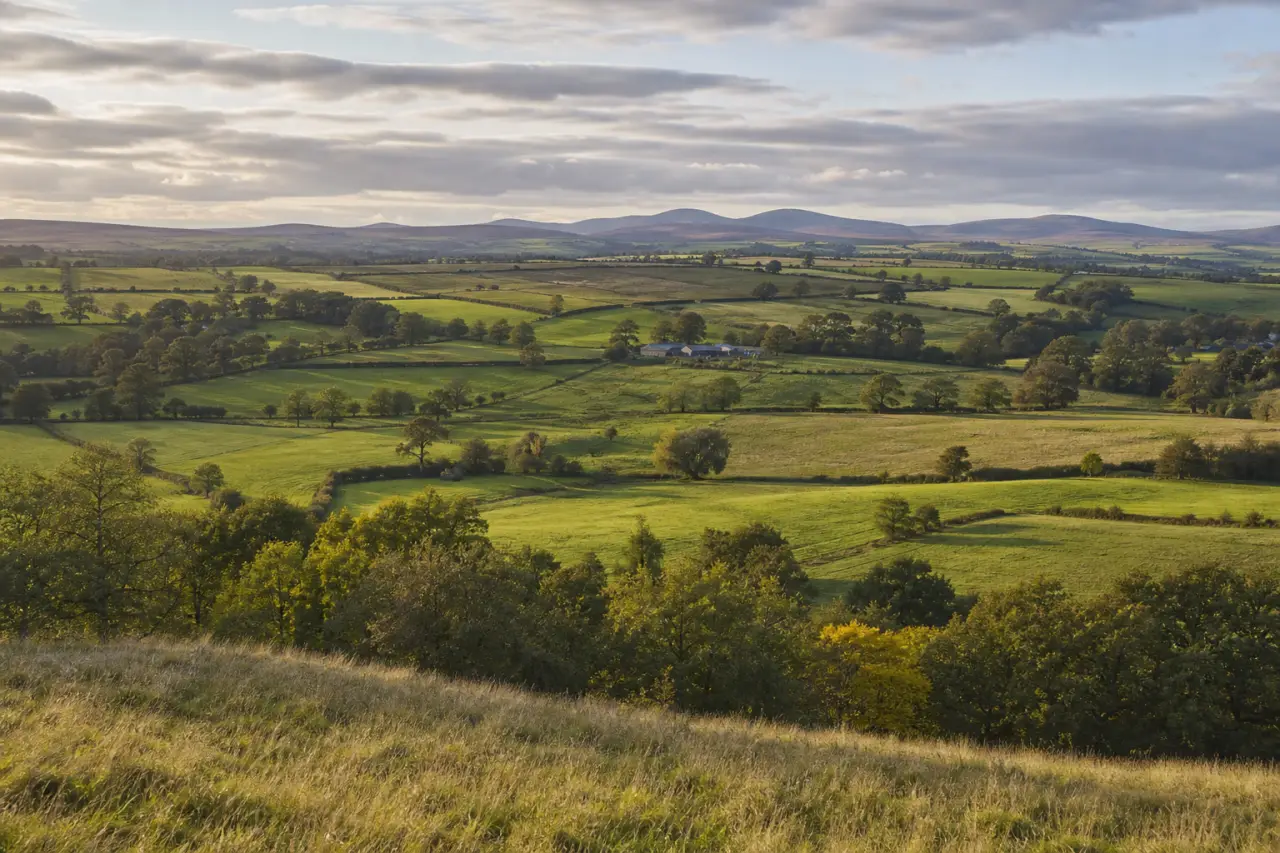
East Ayrshire offers diverse land opportunities across 485 square miles of South West Scotland, stretching from the prosperous market town of Kilmarnock to the rural uplands bordering Dumfries and Galloway. This varied landscape encompasses productive agricultural lowlands, former mining communities experiencing regeneration, and moorland suitable for diversification projects. With a population of 122,000 and strong connections to Glasgow just 20 miles north of Kilmarnock, the area presents compelling opportunities for buyers seeking agricultural land, smallholdings, woodland, or development sites within commuting distance of Scotland's largest city.

The land market in East Ayrshire reflects the region's agricultural heritage and ongoing economic transformation. Agricultural land values typically range from £3,000-£5,000 per acre for productive arable ground, whilst rougher grazing and moorland can be secured from £800-£2,000 per acre. The area's dairy farming tradition remains strong, particularly in the lower-lying areas around Kilmarnock and Stewarton, whilst hill farming dominates the eastern uplands. This agricultural diversity creates opportunities for buyers at various budget levels, from compact smallholdings to substantial hill farms.

Types of Land Available in East Ayrshire

East Ayrshire's land market encompasses several distinct categories. Agricultural land forms the largest sector, with productive arable and pasture land concentrated in the Irvine Valley and around major towns. These holdings typically support mixed farming operations, with dairy, beef cattle, and sheep enterprises predominating. Grade 3 agricultural land is most common, though pockets of higher-quality ground exist in sheltered valleys.

Upland and moorland comprises significant acreage in eastern East Ayrshire, where the landscape rises towards the Southern Uplands. This rougher grazing land attracts hill farmers, conservation buyers, and those interested in renewable energy projects or carbon sequestration schemes. Shooting rights and sporting potential add value to certain upland holdings.

Woodland and forestry opportunities have expanded as diversification schemes and carbon offset initiatives gain traction. Both commercial conifer plantations and native woodland restoration projects feature in the market, with buyers ranging from timber investors to conservation organisations. The area's rainfall and topography suit tree growth, making forestry a viable long-term investment.

Smallholdings and lifestyle plots near Kilmarnock, Stewarton, and Galston attract buyers seeking rural living within commuting distance of Glasgow. These properties, typically 5-20 acres, command premium prices due to residential amenity value and equestrian potential. Demand from Glasgow's commuter belt influences pricing in the northern parts of the authority.

Development land emerges periodically, particularly around Kilmarnock where housing growth continues. Former industrial sites in Cumnock and other ex-mining communities occasionally offer brownfield regeneration opportunities, though remediation costs require careful assessment.

Notable Features and Infrastructure

East Ayrshire benefits from excellent transport connections that enhance land values and development potential. The A77 provides the primary north-south route, connecting Kilmarnock to Glasgow (20 miles) and southward to Ayr and Stranraer. The M77 motorway terminates near the northern boundary, placing much of East Ayrshire within an hour's drive of Glasgow city centre. The A76 runs south-eastward from Kilmarnock through Cumnock towards Dumfries, serving the more rural eastern districts.

Rail connections serve land buyers well, with stations at Kilmarnock, Stewarton, and other locations on the Glasgow South Western Line providing direct services to Glasgow Central. This connectivity supports the viability of residential smallholdings and adds value to land with development potential near railway stations.

The region lacks national park designations, but several areas warrant attention for their natural heritage. The Galloway and Southern Ayrshire Biosphere designation covers parts of southern East Ayrshire, recognising the area's environmental significance. Buyers considering land within this biosphere should research any special management requirements. The Muirkirk and North Lowther Uplands Special Protection Area in the south-east protects important bird populations, with implications for land use and development in designated areas.

Planning and Development Considerations

East Ayrshire Council serves as the planning authority (https://www.east-ayrshire.gov.uk/PlanningAndTheEnvironment), administering policies outlined in the Local Development Plan. Understanding local planning policy proves essential for anyone considering land purchase with development intentions.

Agricultural buildings and structures often benefit from permitted development rights, though these rights have limitations and vary depending on location and prior approvals. Buyers should verify the planning status of any existing structures and understand what additional development might be permitted without full planning permission. For detailed information about planning processes, consult our comprehensive guide to planning permission.

The council has identified several strategic development areas, particularly around Kilmarnock where housing growth forms part of the Glasgow city region expansion. Land within or adjacent to settlement boundaries commands significant premiums due to development potential, though gaining planning consent remains subject to detailed policy requirements regarding infrastructure, affordable housing contributions, and environmental impact.

Agricultural dwellings face particular scrutiny in East Ayrshire. Applications for new rural houses must demonstrate genuine agricultural need and financial viability of the farming enterprise. The council applies Scottish Government policy on rural housing, which generally restricts speculative residential development in the countryside whilst supporting legitimate agricultural and forestry workers' accommodation.

Renewable energy projects have gained prominence in East Ayrshire, with numerous wind farms operational or consented across upland areas. Buyers of moorland or hill ground should investigate existing renewable energy leases, grid connection availability, and community attitudes towards further wind development. Ground-mounted solar and battery storage projects increasingly feature in planning applications, offering alternative diversification routes for agricultural landowners.

Investment Potential and Market Trends

The East Ayrshire land market demonstrates resilience underpinned by several positive factors. Glasgow's ongoing growth maintains demand for commutable rural properties and smallholdings in northern parts of the authority. Agricultural land values have shown modest appreciation, supported by continued farming viability and limited supply of quality holdings.

Carbon markets and environmental schemes increasingly influence investment decisions. Scotland's ambition to reach net-zero emissions by 2045 creates opportunities for woodland creation, peatland restoration, and other carbon sequestration projects. East Ayrshire's extensive moorland and marginal ground suits these schemes, potentially offering income streams beyond traditional agriculture.

Community buyout provisions under Scottish land reform legislation warrant attention. Whilst most private land sales proceed normally, communities possess rights to register interest in land and potentially mount buyout attempts when land comes to market. Buyers should check the Community Right to Buy register maintained by the Scottish Government.

Regeneration initiatives in former mining communities like Cumnock may create longer-term development opportunities. East Ayrshire Council actively pursues economic development projects, and buyers with vision for brownfield regeneration might identify undervalued opportunities requiring patient capital and remediation expertise.

Prospective land buyers benefit from obtaining professional valuation and site assessment. Our land valuation service provides detailed analysis of properties in East Ayrshire, considering local market conditions, planning potential, and specific site characteristics. Understanding comparable sales, agricultural productivity classifications, and infrastructure availability helps inform purchase decisions.

For those new to land acquisition, our complete guide to buying land in the UK covers essential topics including legal due diligence, survey requirements, and financing options. The Scottish legal system differs from England and Wales, with distinct conveyancing procedures and land registration processes that buyers should understand before committing to purchase.

Environmental and Practical Considerations

East Ayrshire's climate and topography present specific challenges and opportunities. Annual rainfall increases significantly from west to east, with upland areas receiving over 1,500mm annually. This abundant precipitation supports grass growth and forestry but can limit arable cropping options and create drainage challenges. Ground conditions vary from freely draining sandy loams in lower areas to heavy clays and peaty soils on higher ground.

Flooding affects certain valley locations, particularly along the River Irvine and its tributaries. SEPA flood maps should be consulted for any land purchase, and buyers should assess historical flooding evidence and drainage infrastructure adequacy. Climate change projections suggest increased winter rainfall intensity, making flood risk assessment increasingly important.

Mining legacy issues affect parts of East Ayrshire, particularly around Cumnock and other former coalfield communities. Shallow coal workings, mine entries, and potential ground instability require investigation before purchasing land in these areas. The Coal Authority maintains records of mining activity and can provide mining reports for specific locations.

Access arrangements deserve careful attention, as many rural properties rely on shared private tracks or agricultural access routes. Scottish access legislation provides extensive public access rights to land, but private vehicular access requires formal legal rights secured through conveyancing. Buyers should verify that adequate access rights exist for their intended land use.

East Ayrshire combines accessibility, landscape diversity, and investment potential in a package that appeals to various buyer types. Whether seeking productive farmland, a rural smallholding, woodland investment, or longer-term development opportunities, the area merits serious consideration from land buyers targeting South West Scotland.

Looking for Land in East Ayrshire?

Tell us what you're looking for and we'll help you find the right plot.