Land for Sale in Denbighshire

North Wales · WALES

Map of Denbighshire

Key Facts

Avg. Price/Acre

£7,500

area

337 sq miles

major Towns

Rhyl, Denbigh, Prestatyn, Ruthin, Llangollen

population

95,000

Local Planning Authority: View planning portal →

# Land for Sale in Denbighshire

Denbighshire presents a compelling proposition for land buyers seeking diversity in both landscape and opportunity. Stretching from the Victorian seaside resorts of Rhyl and Prestatyn on the North Wales coast to the dramatic peaks of the Clwydian Range and Dee Valley inland, this historic county offers approximately 337 square miles of varied terrain. The land market here reflects this geographical diversity, with coastal plots commanding different values to upland agricultural holdings and wooded valley parcels.

For prospective land buyers, Denbighshire's accessibility is a major advantage. The A55 North Wales Expressway provides swift connections to Chester, the Wirral, and the M53/M56 motorway network, making this an increasingly attractive area for those seeking rural land within commuting distance of Northwest England. The main rail line serves Rhyl and Prestatyn with direct services to Chester, Crewe, and beyond, whilst Llangollen's heritage railway adds tourism appeal to the southern reaches of the county. This connectivity has supported steady demand for both agricultural and amenity land, particularly smallholdings and lifestyle plots within a reasonable distance of the coastal towns.

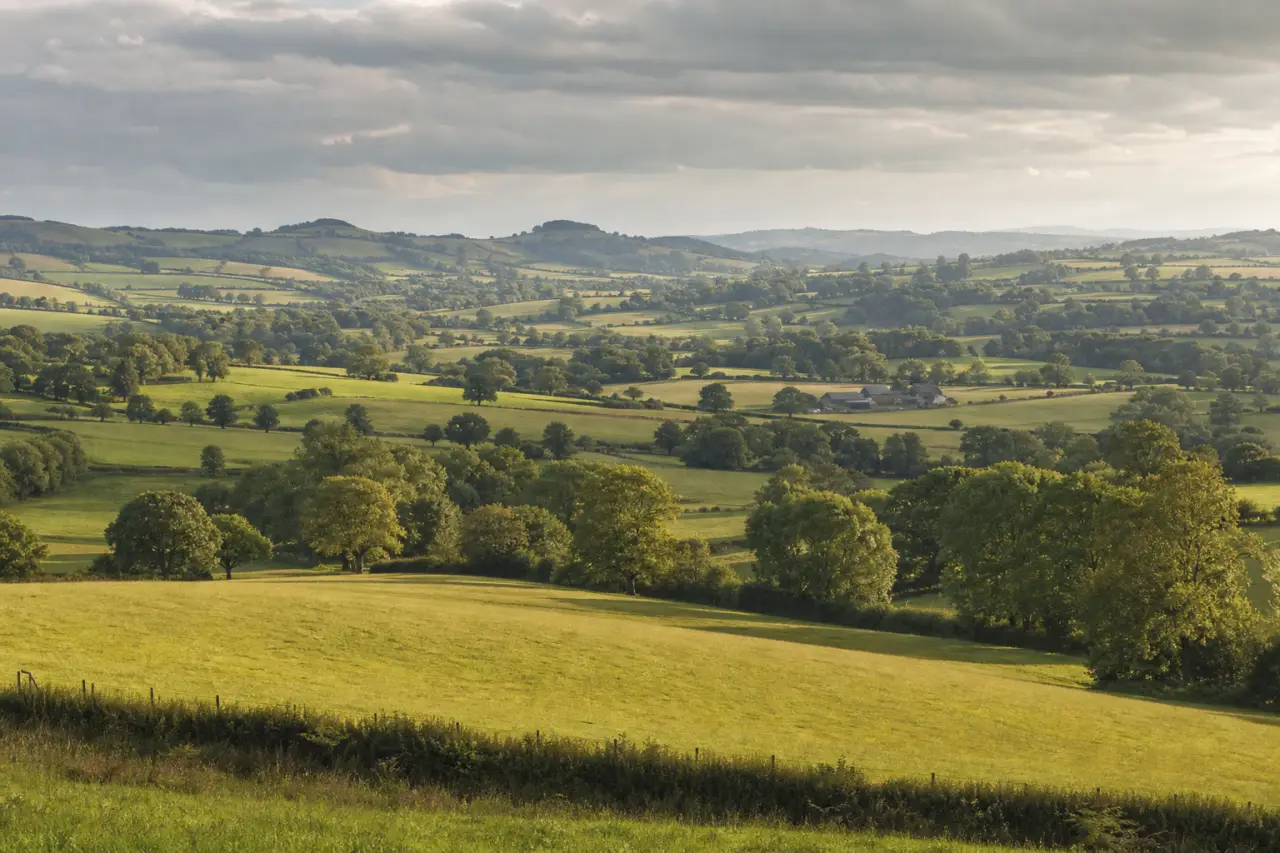
The county's land market has remained resilient, with agricultural land prices typically ranging between £6,000-£9,000 per acre for productive farmland, though prime lowland parcels near major towns can exceed this. Marginal upland grazing fetches considerably less, while development land and plots with planning permission command premium prices. The diversity of landscapes—from fertile Vale of Clwyd farmland to heather-clad moorland—means buyers can find everything from intensive arable plots to extensive sheep walks, making Denbighshire suitable for a wide spectrum of land investment strategies.

Types of Land Commonly Available

Agricultural land dominates the Denbighshire market, with the fertile Vale of Clwyd producing high-quality arable and pasture land. This central valley is Wales' premier agricultural area, supporting dairy, beef, sheep, and increasingly cereal production. Holdings here typically range from 50 to 300 acres, though larger estates occasionally come to market. The soil quality and relatively gentle topography make this land attractive for serious farming operations.

Upland grazing represents another significant category, particularly in the Clwydian Range Area of Outstanding Natural Beauty and the western reaches toward the Denbigh Moors. These holdings, often extensive in size (200-1,000+ acres), are traditionally used for sheep farming and increasingly attract buyers interested in conservation, rewilding, or carbon sequestration projects. Such land typically includes common grazing rights and may have environmental designations affecting management.

Smallholdings and lifestyle plots have become increasingly popular, particularly within a 10-mile radius of Ruthin, Denbigh, and the coastal towns. Parcels of 5-20 acres with existing buildings or renovation projects appeal to equestrian enthusiasts, smallholders, and those seeking a rural retreat whilst maintaining accessibility to services. Woodland plots also feature regularly, from small amenity woodlands of 2-10 acres to commercial forestry blocks exceeding 50 acres.

Development land and building plots remain available, though tightly controlled through planning policy. The coastal strip, particularly around Rhyl and Prestatyn, sees occasional residential development opportunities, while rural exception sites for affordable housing appear in villages throughout the county.

Notable Features and Designations

The Clwydian Range and Dee Valley Area of Outstanding Natural Beauty (AONB) is Denbighshire's most significant landscape designation, covering substantial portions of the county. Land within the AONB faces stricter planning controls and enhanced landscape protection, which can limit development potential but may increase amenity value for conservation-minded buyers. The distinctive heather moorland and ancient hill forts make this one of Wales's most scenic areas, supporting tourism and recreational activities.

Llangollen and the Dee Valley form the county's southern gateway, designated as a UNESCO World Heritage Site (Pontcysyllte Aqueduct and Canal). This status brings international recognition but also additional planning considerations. The area's tourism economy creates opportunities for diversification projects, glamping sites, and hospitality ventures on agricultural holdings.

The Vale of Clwyd represents prime agricultural territory, with deep, well-drained soils and a relatively mild climate for North Wales. This lowland corridor between the Clwydian Range and the Denbigh Moors has supported farming for millennia and remains highly productive.

Transport infrastructure centres on the A55, providing the primary east-west corridor along the coast. The A494 and A5 serve inland areas, with the latter following the historic London to Holyhead route through Llangollen. This infrastructure supports both agricultural operations and tourism-related land uses.

Planning and Development Considerations

Denbighshire County Council serves as the local planning authority, operating under the Denbighshire Local Development Plan 2006-2021 (with a replacement plan in preparation). The planning system in Wales operates under distinct legislation from England, with Planning Policy Wales and Technical Advice Notes providing national guidance. Prospective land buyers should familiarise themselves with these Welsh-specific frameworks.

Agricultural buildings and structures benefit from permitted development rights, though these are more restrictive than in England. The One Planet Development policy offers a unique Welsh planning route for low-impact, sustainable rural dwellings, requiring that at least 65% of a household's basic needs are met from the land. This policy has attracted interest from those seeking off-grid, self-sufficient lifestyles on agricultural holdings of typically 5+ acres.

The AONB designation significantly influences planning decisions, with a presumption against major development and heightened scrutiny of proposals affecting landscape character. Conservation areas in historic towns like Denbigh and Ruthin impose additional controls on alterations and new buildings.

Flood risk is a consideration in the Vale of Clwyd and along coastal areas, with parts of Rhyl historically affected by flooding. The Dee catchment is also prone to flooding in low-lying areas. Natural Resources Wales maintains flood risk maps that should be consulted before purchase. The planning permission process in Wales requires careful navigation, particularly for change of use applications or new agricultural dwellings.

Welsh language and culture factor into planning policy, with the local authority considering the impact of development on the Welsh-speaking community, which remains strong in rural Denbighshire. This cultural dimension is unique to Welsh planning and may influence decisions on larger developments.

Investment Potential and Market Trends

Denbighshire's land market has demonstrated consistent demand, driven by several factors. The county's accessibility to Northwest England attracts buyers seeking Welsh rural property within commuting distance of urban employment. The tourism economy in Llangollen and along the coast creates opportunities for diversification, including holiday lets, camping, and activity businesses on rural land.

Agricultural land values have remained stable, with the transition to post-Brexit subsidy schemes creating both challenges and opportunities. The Welsh Government's emphasis on environmental land management through the Sustainable Farming Scheme means buyers should consider land's potential for environmental payments, woodland creation, and habitat restoration. Carbon sequestration projects and biodiversity net gain initiatives are attracting institutional investment to Welsh upland areas.

Renewable energy presents growing opportunities, particularly solar farms on lower-grade agricultural land and small-scale wind or hydro projects on upland holdings. Grid connection capacity can be challenging in rural areas, requiring early investigation for energy projects.

The amenity land market remains buoyant, with lifestyle buyers and smallholders competing for well-located parcels. Equestrian land within 15 miles of the coast commands premium prices, whilst woodland continues to attract buyers for recreation, conservation, and timber production.

Rhyl's ongoing regeneration, including coastal defences and town centre improvements, may enhance development land values in the longer term, though the town has historically lagged behind other North Wales coastal resorts. Prestatyn and Rhuddlan offer more stable residential markets.

For those considering purchasing land in Denbighshire, obtaining a professional valuation is essential given the diversity of land types and local market variations. Understanding the specific characteristics of each sub-area—from the coastal plain to the upland moors—is crucial for informed decision-making. The complete guide to buying land in the UK provides valuable context, though buyers should ensure they understand Wales-specific regulations and policies.

Environmental and Agricultural Context

Denbighshire's environmental designations extend beyond the AONB, with numerous Sites of Special Scientific Interest (SSSIs) protecting habitats from limestone pavements to ancient woodlands. These designations can restrict land management options but may open access to environmental grants and stewardship payments.

The county supports diverse farming systems, from lowland dairy and beef operations to extensive upland sheep farming. The National Trust owns significant upland areas, and neighbouring estates occasionally release land to the open market. Sporting rights—particularly rough shooting on upland holdings—can add value and provide additional income.

Soil contamination is rarely an issue in rural Denbighshire, though former industrial sites near Rhyl and some ex-mining areas require environmental assessment. Radon gas affects parts of the county, requiring precautionary measures in new buildings in affected areas.

Overall, Denbighshire offers land buyers an attractive combination of accessibility, landscape quality, and agricultural productivity, with opportunities ranging from commercial farming to conservation projects and lifestyle holdings. The distinct Welsh planning framework and cultural context add complexity but also unique opportunities not found in England.

Looking for Land in Denbighshire?

Tell us what you're looking for and we'll help you find the right plot.