Land for Sale in County Down
Northern Ireland · NORTHERN IRELAND
Key Facts
Avg. Price/Acre
£10,000
area
952 sq miles
major Towns
Newry, Bangor, Newtownards, Downpatrick, Newcastle
population
531,000
Local Planning Authority: View planning portal →
# Land for Sale in County Down
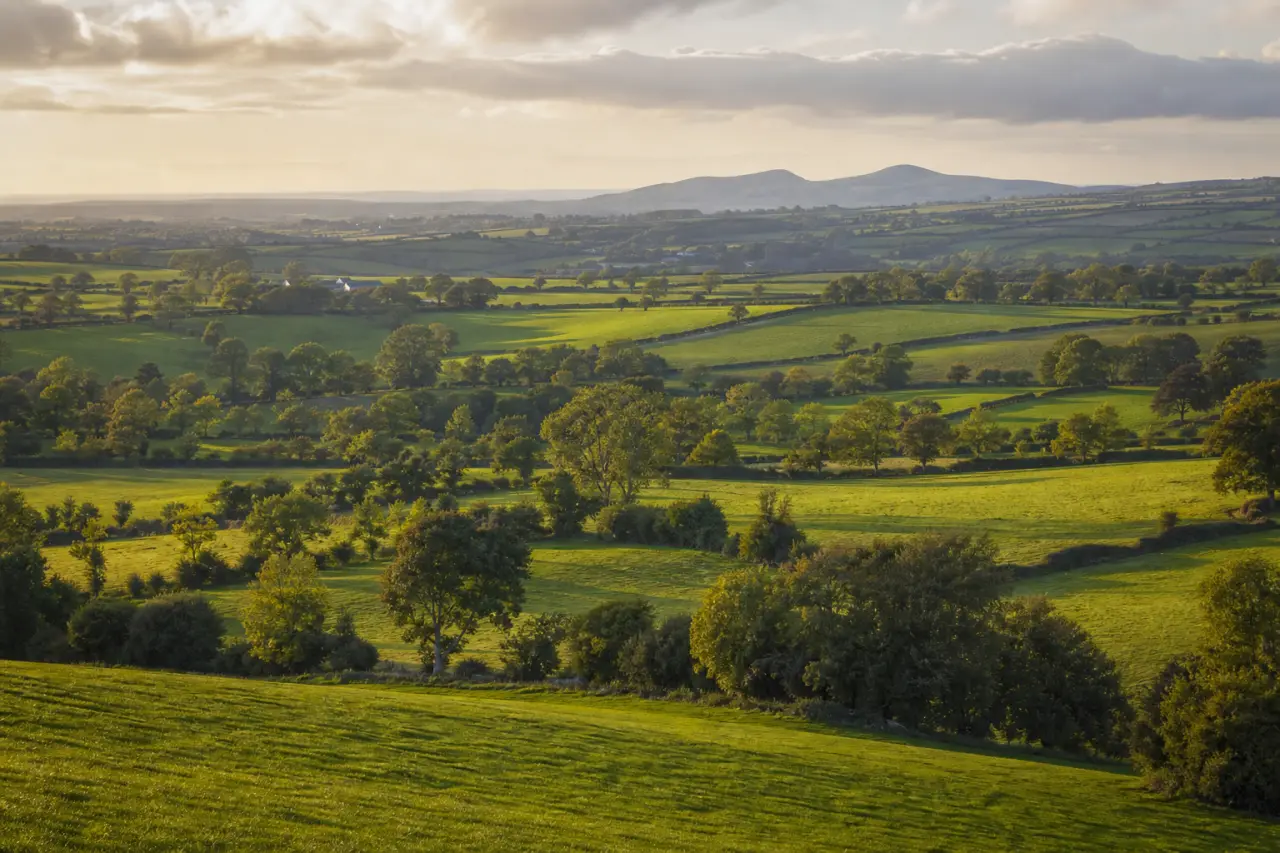
County Down, one of Northern Ireland's most diverse and sought-after counties, offers exceptional opportunities for land buyers seeking everything from fertile agricultural holdings to development plots with stunning coastal views. Stretching from the shores of Belfast Lough to the picturesque Mourne Mountains and along the scenic coastline to Carlingford Lough, this 952-square-mile county combines accessibility, natural beauty, and strong agricultural heritage. With a population of 531,000 and excellent transport links to Belfast and beyond, County Down presents compelling investment prospects for both agricultural and development land buyers.
The county's land market reflects its geographical diversity, with agricultural land prices varying significantly between the rich lowlands of the Ards Peninsula and the more challenging terrain of the Mournes. Premium arable land in prime locations typically commands between £8,000 and £12,000 per acre, whilst upland grazing and forestry land can be acquired for considerably less. The proximity to Belfast and major transport infrastructure continues to drive demand, particularly in the northern reaches of the county around Bangor, Newtownards, and Holywood, where land with development potential attracts significant interest.
County Down's economic strength, underpinned by its strategic location, thriving tourism sector, and robust agricultural industry, makes it an attractive proposition for long-term land investment. The county benefits from major employers including Almac Group in Craigavon, pharmaceutical companies in Newry, and a growing tech sector around Greater Belfast, ensuring steady demand for both residential and commercial development land.
Types of Land Commonly Available
County Down's varied landscape supports a diverse range of land types to suit different buyers and investment strategies. Agricultural land dominates the market, with the fertile lowlands around Downpatrick, Ballynahinch, and across the Ards Peninsula producing excellent arable crops including cereals, potatoes, and vegetables. Dairy and beef farming operations remain strong throughout the county, with grazing land particularly abundant in the drumlin belt and the foothills of the Mournes.
Development land opportunities are most prevalent in the commuter belt surrounding Belfast, particularly in Bangor, Newtownards, Holywood, and Comber, where residential demand remains robust. Smaller development plots also come to market in towns like Downpatrick, Newcastle, and Newry, though these require careful consideration of local planning policies. The Newry, Mourne and Down District Council area has seen increased interest in mixed-use development sites, particularly along key transport corridors.
Amenity and lifestyle land has grown in popularity, with smallholdings of 5-20 acres attracting buyers seeking rural retreats, equestrian facilities, or self-sufficiency projects. The scenic areas around Strangford Lough, the Lecale Peninsula, and the Mourne foothills are particularly sought-after for such purposes.
Forestry and woodland parcels occasionally come to market, particularly in the hillier western and southern portions of the county. These appeal to investors seeking long-term timber production, carbon offsetting opportunities, or private recreational space.
Lough shore and coastal plots, whilst rare, represent some of the most valuable land in the county when they become available, especially along Strangford Lough's intricate coastline or near the seaside resort of Newcastle.
Notable Features and Attractions
The Mourne Mountains, immortalised in Percy French's famous song, dominate the southern skyline and significantly influence land values and usage in the area. This Area of Outstanding Natural Beauty (AONB) encompasses approximately 570 square kilometres and imposes strict planning restrictions on development, protecting the dramatic landscape of granite peaks, including Slieve Donard, Northern Ireland's highest mountain at 850 metres. Land within or adjacent to the Mourne AONB commands premium prices for its scenic value but faces stringent development limitations.
Strangford Lough, Europe's largest inlet, creates a unique marine environment that shapes the eastern portion of the county. The lough's designation as a Marine Conservation Zone and Special Area of Conservation influences land use around its 150-kilometre shoreline, with implications for agricultural runoff, development proposals, and access rights. The National Trust owns significant portions of the lough shore, and their management policies affect neighbouring land values and permitted uses.
The county benefits from excellent transport infrastructure, with the A1 dual carriageway providing rapid access from Newry to Belfast, significantly enhancing land values along this corridor. The railway line serves Bangor, Newtownards, and continues through to Dublin via Newry, making commuter-belt properties particularly attractive. Belfast International and George Best Belfast City airports are both readily accessible from most parts of the county.
Quoile Pondage Nature Reserve, Scrabo Country Park, Castle Ward Estate, and Tollymore Forest Park represent just a fraction of County Down's protected landscapes and heritage sites, all of which influence nearby land values and development potential.
Planning and Development Considerations
Planning matters in County Down are administered primarily by Newry, Mourne and Down District Council, alongside Ards and North Down Borough Council for the northern portions. Understanding the Local Development Plan is essential for anyone considering land purchase with development intentions. The Belfast Metropolitan Area Plan influences the northern areas, whilst rural planning policies apply strict tests for new dwellings in the countryside.
County Down operates under Northern Ireland's distinctive planning system, which differs significantly from Great Britain's regulations. The planning policy statement system (PPS) governs various development types, with PPS21 (Sustainable Development in the Countryside) being particularly relevant for rural land. This policy generally restricts new dwelling houses in the countryside to specific categories including farm dwellings, replacement dwellings, infill opportunities, and dwellings for non-agricultural businesses. Demonstrating genuine agricultural need or meeting the strict criteria for a replacement dwelling requires careful preparation and often professional planning advice.
Agricultural land classification affects development potential, with best and most versatile land (grades 1-3) subject to protection from development unless exceptional circumstances apply. The fertile lands of the Ards Peninsula and around Comber fall into these protected categories.
Environmental considerations include flood risk, particularly in low-lying areas near Strangford Lough and along river valleys. The Rivers Agency flood maps should be consulted before any land purchase. Areas around the Quoile River and parts of Newcastle are designated flood plains where development faces significant restrictions.
Conservation areas exist in most historic town centres, whilst numerous listed buildings and scheduled monuments across the county require special consideration. Archaeological potential is significant throughout County Down, particularly in areas with early Christian heritage around Downpatrick and Saul.
For guidance on navigating planning requirements, consult our comprehensive planning permission guide, which explains the application process and common pitfalls to avoid.
Investment Potential and Market Trends
County Down's land market has demonstrated resilient growth over the past decade, driven by several converging factors. The shortage of development-ready sites in desirable locations continues to support strong values, particularly within the Belfast commuter belt. Agricultural land prices have remained stable, supported by productive farming operations and competition from lifestyle buyers seeking rural properties.
The residential development sector shows particular promise in towns like Bangor, Newtownards, and Comber, where demand for housing consistently outstrips supply. Strategic land holdings on the edges of these settlements may offer long-term development potential as Local Development Plans evolve, though such speculation requires patience and understanding that planning permission is never guaranteed.
Renewable energy opportunities are expanding in County Down, with solar farms and wind turbines (where planning permits) offering income diversification for agricultural landowners. The county's relatively high rainfall also supports small-scale hydro projects in suitable locations. However, visual impact considerations in scenic areas can limit renewable energy development potential.
The agri-food sector remains a cornerstone of the local economy, with the county hosting significant food processing operations in Newry and surrounding areas. This industrial base supports land values for agricultural purposes and creates ongoing demand for commercial/industrial sites.
Tourism-related development, particularly around Newcastle, the Mournes, and Strangford Lough, offers niche opportunities for appropriately located land, including glamping sites, holiday lets, and outdoor activity centres. However, these typically require existing buildings or special planning considerations.
Brexit implications have created both challenges and opportunities for County Down's land market. As part of the UK but with the unique Northern Ireland Protocol arrangements, the county maintains particular access to both GB and EU markets, potentially advantaging agricultural operations. However, subsidy regime changes under the UK's new agricultural policy require careful consideration when evaluating farming land investments.
For those new to land acquisition, our complete guide to buying land in the UK provides essential information about the purchase process, legal considerations, and due diligence requirements.
Getting Started with Your Land Search
Whether you're seeking agricultural land to expand an existing farming operation, a development site for residential or commercial purposes, or a lifestyle plot for personal use, County Down offers diverse opportunities to suit various budgets and objectives. The key to successful land acquisition lies in thorough research, understanding local planning policies, and conducting comprehensive due diligence.
Before committing to any land purchase in County Down, consider obtaining a professional valuation to ensure you're paying a fair market price. Our land valuation service can provide expert insight into local land values and help you make an informed decision about any potential acquisition.
County Down's combination of productive agricultural land, development opportunities in growing towns, and spectacular natural landscapes makes it one of Northern Ireland's most attractive counties for land investment. With careful planning and proper professional advice, land buyers can find excellent opportunities across this diverse and beautiful county.
Land Valuation
Get a free estimate for land in County Down
Buying Guides
Expert advice on purchasing land
Looking for Land in County Down?
Tell us what you're looking for and we'll help you find the right plot.