Land for Sale in Blaenau Gwent

South East Wales · WALES
Map of Blaenau Gwent

Key Facts

Avg. Price/Acre

£4,500

area

42 sq miles

major Towns

Ebbw Vale, Tredegar, Brynmawr, Abertillery

population

70,000

Local Planning Authority: View planning portal →

# Land for Sale in Blaenau Gwent

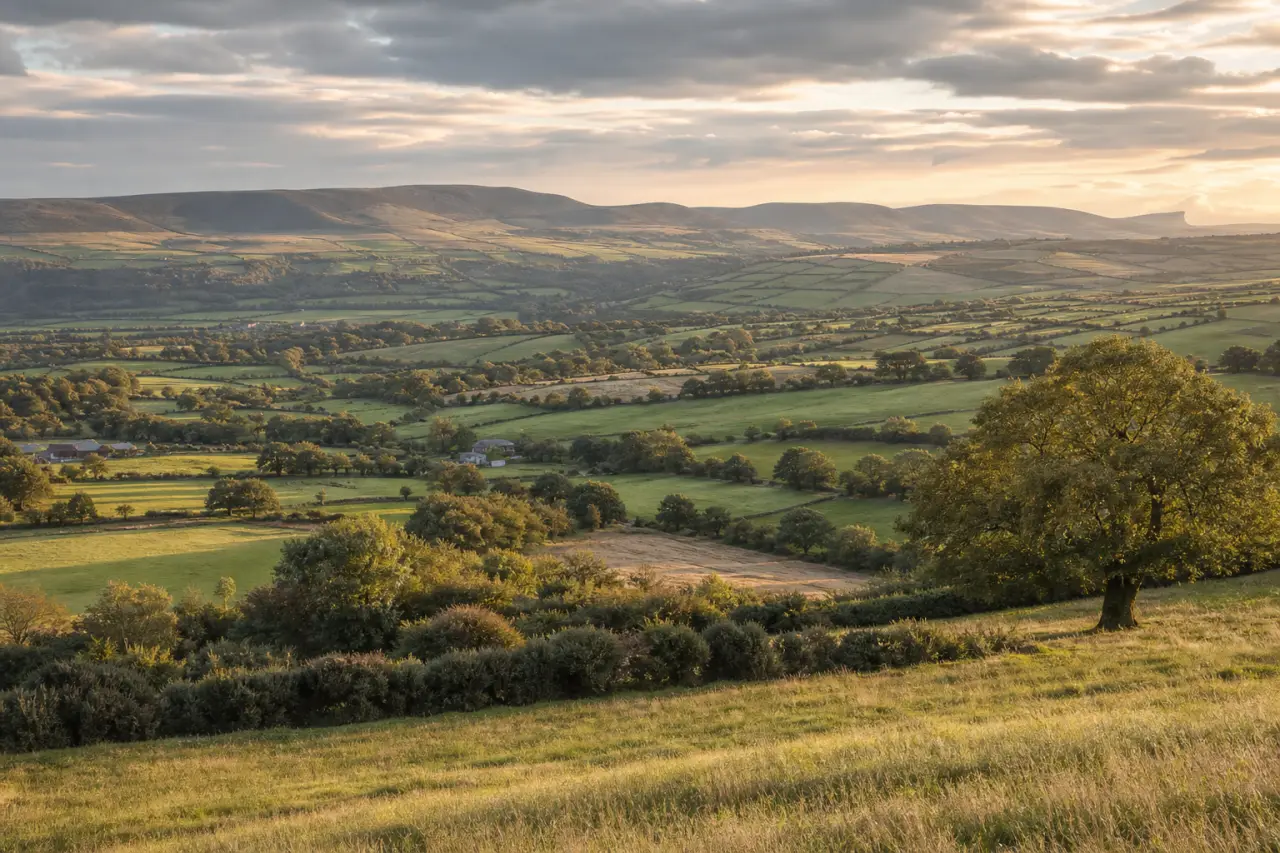
Blaenau Gwent occupies a distinctive position in South East Wales, representing one of the most affordable land markets in the country whilst undergoing significant regeneration. This former coal mining heartland, stretching across 42 square miles of the South Wales Valleys, encompasses the principal towns of Ebbw Vale, Tredegar, Brynmawr, and Abertillery. For land buyers, Blaenau Gwent presents a compelling proposition: low entry costs, substantial public investment in infrastructure, and proximity to Cardiff and the M4 corridor, all within a landscape characterised by dramatic valleys and moorland plateaus.

The local land market has been shaped by decades of post-industrial transition, with former colliery sites, industrial brownfield land, and agricultural holdings creating diverse opportunities for buyers. Recent years have witnessed renewed interest from developers and investors, particularly following the £350 million Tech Valleys initiative and improvements to the A465 Heads of the Valleys road. Land prices remain amongst the most competitive in Wales, with agricultural land typically trading well below the Welsh average, making this an accessible entry point for first-time land buyers or those seeking larger acreages on modest budgets.

Types of Land Available in Blaenau Gwent

Agricultural and Grazing Land dominates the hillsides and valley tops, with small to medium-sized holdings typically ranging from 10 to 100 acres. The steep topography and relatively poor soil quality mean much of this land suits sheep grazing rather than arable farming, though lower valley floors occasionally support cattle grazing and limited crop production. Land values for agricultural parcels typically range from £3,000 to £5,500 per acre, significantly below the Welsh average, reflecting both terrain challenges and limited agricultural productivity.

Brownfield and Former Industrial Sites represent a substantial proportion of available land, a legacy of the area's coal mining and steel-making heritage. Former colliery sites, slag heaps (many now stabilised and landscaped), and redundant industrial premises offer opportunities for redevelopment, though many require extensive remediation. The Welsh Government and Blaenau Gwent County Borough Council have identified several of these sites for regeneration, with contaminated land grants potentially available to offset cleanup costs.

Woodland and Forestry Parcels are scattered throughout the borough, primarily consisting of coniferous plantations established on former mining land or marginal agricultural sites. These range from small amenity woodlands of 5-10 acres to more substantial commercial forestry blocks exceeding 50 acres. Buyers should note that much woodland in the area was planted on unstable ground and may have restrictive covenants or access limitations.

Residential Development Plots emerge periodically, particularly in the main valley settlements. The market for building plots has strengthened following recent housing market recovery, though values remain modest compared to neighbouring authorities. Self-build opportunities exist, particularly for those willing to tackle difficult sites or engage with brownfield redevelopment.

Equestrian and Smallholding Parcels have gained popularity as the area's accessibility improves, with paddocks and smallholdings of 2-20 acres attracting buyers seeking lifestyle properties or hobby farms. The lower land values make equestrian ventures more financially viable than in adjacent counties like Monmouthshire.

Key Features and Infrastructure

Blaenau Gwent lies entirely within the Brecon Beacons National Park buffer zone, with the eastern boundary bordering this protected landscape. Whilst not within the National Park itself, buyers should be aware that development pressures are managed with consideration for the wider landscape setting. The borough contains extensive areas of Special Landscape Areas designated by the local authority, where development faces additional scrutiny.

Transport connectivity has improved dramatically with the ongoing A465 Heads of the Valleys dualling programme, which will eventually provide dual carriageway access between Abergavenny and Hirwaun. The Ebbw Vale to Cardiff railway line, reopened in 2008 and extended to Ebbw Vale Town in 2015, provides regular passenger services, placing Cardiff just 35 minutes away. This connectivity enhancement has begun to influence land values, particularly for sites within reasonable distance of stations.

The Tech Valleys initiative, centred on The Works site in Ebbw Vale (the former steelworks), represents the largest regeneration investment in the area. This business park and innovation hub has attracted technology companies and created employment opportunities, contributing to gradual economic recovery. Land buyers should monitor developments here, as successful regeneration typically catalyses wider property market strengthening.

Flooding presents a significant consideration for land purchases in the valley floors, where the Ebbw Fach and Ebbw Fawr rivers and their tributaries pose documented flood risks. Natural Resources Wales flood maps should be consulted before committing to any low-lying purchase, and insurance implications must be considered. Conversely, hillside plots may face surface water runoff and instability issues.

Planning and Development Considerations

Blaenau Gwent County Borough Council serves as the local planning authority, operating under the adopted Local Development Plan which runs to 2021 (with a replacement currently in preparation). Understanding this planning framework is essential before purchasing land with development aspirations.

Change of Use from Agricultural Land faces particular scrutiny in Blaenau Gwent. Whilst the council generally supports economic development and housing provision, applications must demonstrate sustainability and appropriate location. The authority applies Planning Policy Wales and Technical Advice Notes rigorously, particularly concerning development in the countryside, where the policy presumption favours agricultural and forestry use.

Brownfield Redevelopment receives policy encouragement, with the council actively supporting remediation and reuse of previously developed sites. However, buyers must understand that contaminated land carries both opportunity and obligation. Detailed ground investigation is essential before purchase, as remediation costs can easily exceed land value. The Welsh Government's Contaminated Land Grant Scheme may assist qualifying projects, though competition for funding is considerable.

Permitted Development Rights in Wales differ from those in England, following devolution of planning powers. The recent expansion of permitted development rights for agricultural buildings and conversions has created opportunities, though applications still require prior approval. Anyone considering purchasing agricultural buildings with conversion potential should seek professional advice before committing, as Welsh Government policy on countryside conversions has tightened in recent years. Our comprehensive guide to planning permission explains these processes in detail.

Minerals Safeguarding affects substantial portions of Blaenau Gwent, reflecting the area's coal and limestone resources. Land within minerals safeguarding zones may face development restrictions or requirements for mineral resource assessments. The Local Development Plan identifies these zones, and buyers should verify whether prospective purchases fall within safeguarded areas.

Tree Preservation Orders and Woodland Management apply to numerous sites, particularly woodland established on former industrial land. Felling licences from Natural Resources Wales are required for most commercial tree felling, and buyers should verify any forestry management obligations or restrictions before purchase.

Investment Potential and Market Trends

Blaenau Gwent's land market operates from an exceptionally low baseline, creating both opportunity and risk for investors. Agricultural land values have remained relatively static over the past decade, consistently trading at 40-50% below the Welsh average due to terrain limitations and marginal productivity. However, this affordability makes the area attractive for lifestyle buyers, amenity purchasers, and those seeking entry-level agricultural holdings.

Residential Development Land has shown the strongest appreciation, with serviced building plots in desirable valley locations appreciating 15-20% since 2019. This growth reflects improved transport links, employment diversification, and a gradual shift in market perception. Strategic land purchases near railway stations or the A465 corridor may offer medium-term potential, though planning risk remains substantial.

Brownfield Regeneration presents perhaps the most significant opportunity for investors with appropriate expertise and capital. Several former colliery sites have achieved planning permission for mixed-use development following remediation, with land values increasing tenfold post-consent. However, this represents a specialist investment requiring technical due diligence and often lengthy planning processes.

Agricultural and Amenity Land investment should be approached conservatively. Whilst prices are low, limited capital appreciation prospects and modest rental yields (typically £25-50 per acre annually for grazing lets) mean returns depend primarily on amenity value rather than financial yield. However, for buyers seeking private recreational land or smallholdings for personal use, the affordability creates genuine opportunity.

If you're considering purchasing land in Blaenau Gwent, obtaining a professional land valuation is advisable given the complexities of brownfield sites, contamination issues, and varied agricultural productivity. Local market knowledge proves essential in this distinctive area.

Environmental and Practical Considerations

Ground Conditions warrant particular attention throughout Blaenau Gwent. Mining subsidence, though now largely stabilised, affects numerous areas, and the Coal Authority provides mining reports identifying old workings, shafts, and known subsidence zones. Buyers must obtain these reports before purchase, as mortgage lenders typically require them for properties in former mining areas.

Access can prove challenging for valley-side and hillside parcels. Many agricultural fields rely on ancient track systems or rights of way, and prospective buyers should verify legal access rights rather than assuming physical access equates to legal rights. Winter access to upland sites may become impassable without four-wheel-drive vehicles.

Services and Utilities remain limited outside main settlements. Mains water typically reaches valley locations, but hilltop parcels may require private supplies. Mains sewerage exists in towns, but rural plots often require septic tanks or treatment plants. Electricity supply reaches most areas, though three-phase power for commercial uses may require expensive infrastructure extensions. Mobile phone coverage and broadband speeds improve gradually but remain patchy in valley locations.

Climate and Growing Conditions reflect the area's elevation (much of the borough exceeds 400 metres) and western exposure. Rainfall averages 1,400-1,800mm annually—substantially higher than lowland areas—and the growing season runs approximately 180-200 days. These factors limit agricultural versatility but create excellent conditions for forestry and upland grazing.

Getting Started with Your Land Purchase

For those new to land purchase, our complete guide to buying land in the UK provides essential information about the acquisition process, from initial search through to completion.

Blaenau Gwent offers land buyers a distinctive combination of affordability, regeneration potential, and improving connectivity. Whilst challenges exist—from legacy contamination to terrain limitations—the low entry costs and gradual market strengthening create opportunities for buyers prepared to conduct thorough due diligence and take a long-term view. Whether seeking a modest amenity woodland, an agricultural smallholding, or a strategic development site, this area of South Wales merits serious consideration for those prioritising value and potential over established market credentials.

Looking for Land in Blaenau Gwent?

Tell us what you're looking for and we'll help you find the right plot.