Land for Sale in Aberdeen City

North East Scotland · SCOTLAND
Map of Aberdeen City

Key Facts

Avg. Price/Acre

£18,500

area

71 sq miles

major Towns

Aberdeen, Dyce, Bridge of Don

population

228,000

Local Planning Authority: View planning portal →

# Land for Sale in Aberdeen City

Aberdeen City, Scotland's third-largest authority area, presents a unique and complex landscape for land buyers. Known as the "Granite City" and historically the energy capital of Europe, Aberdeen's land market reflects its sophisticated urban economy whilst retaining pockets of agricultural and development potential. With a compact 71 square miles encompassing the city of Aberdeen and surrounding areas including Dyce and Bridge of Don, this region offers limited but high-value land opportunities driven by its strategic coastal location and North Sea oil and gas connections.

The land market in Aberdeen City is characterised by its urban density and premium values. Unlike Scotland's rural regions, available land here typically commands prices significantly above the Scottish agricultural average, often exceeding £15,000-£25,000 per acre for sites with development potential. The city's economic strength, major employers including oil and gas companies, Aberdeen Royal Infirmary, and two universities, creates consistent demand for both commercial and residential development land. However, prospective buyers should be prepared for a competitive market with limited availability.

For those seeking land buying opportunities, Aberdeen City requires thorough due diligence and local market knowledge. The energy transition from oil and gas to renewables is reshaping the region's economy, creating new opportunities for industrial and commercial land uses whilst maintaining the city's position as a major employment centre.

Types of Land Available in Aberdeen City

Urban Development Sites dominate the Aberdeen land market. Brownfield sites, former industrial plots, and infill opportunities within the city boundaries are most commonly available. These range from small residential plots in established neighbourhoods to larger commercial sites near the harbour and industrial estates. The redevelopment of former industrial areas, particularly those connected to the energy sector, continues to create opportunities.

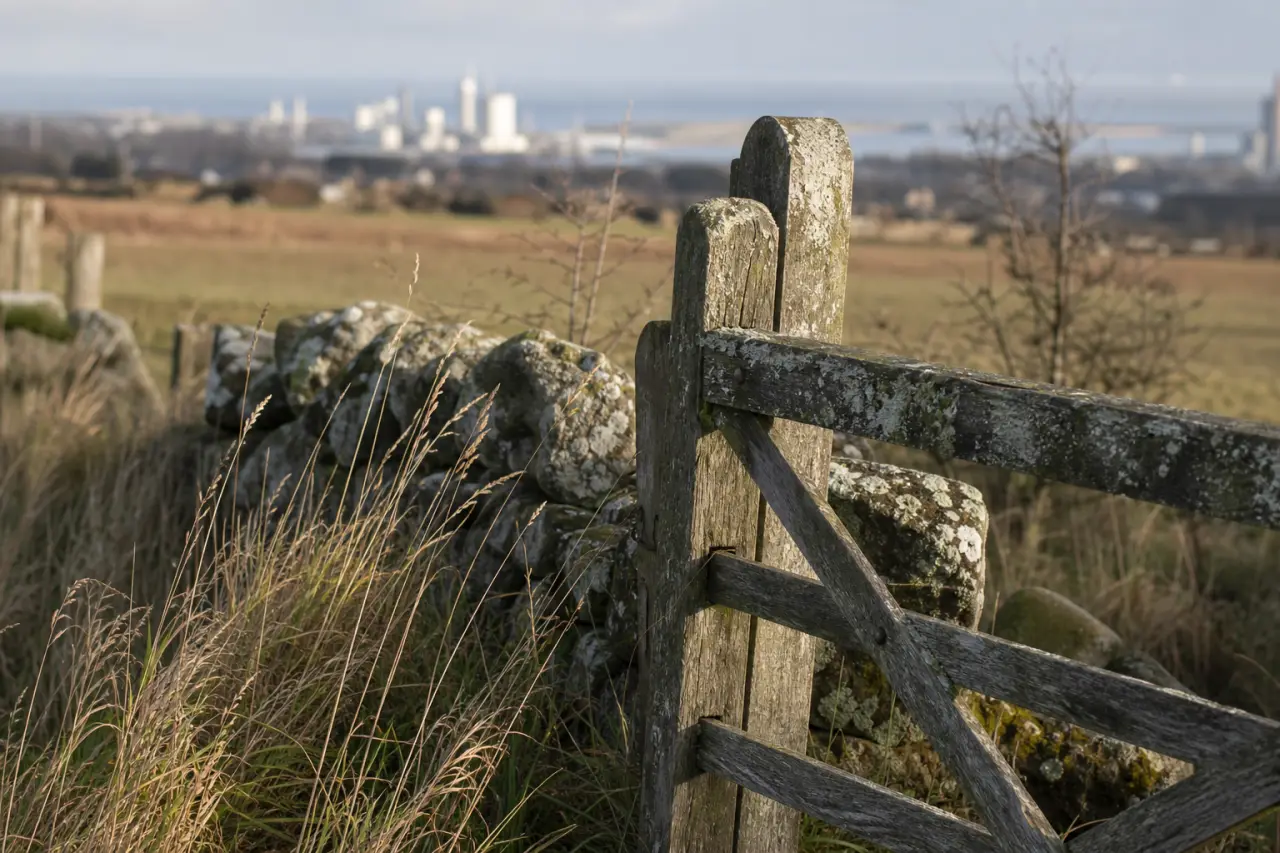
Agricultural Land is limited within Aberdeen City boundaries but does exist on the urban fringe, particularly in the western and southern peripheries. Small holdings and grazing land occasionally come to market, though these are increasingly under development pressure. Any agricultural land within 10 miles of the city centre should be evaluated for its development potential rather than purely farming value.

Commercial and Industrial Land remains in steady demand, particularly around Aberdeen International Airport at Dyce and the harbour area. The city's role as a logistics and energy hub creates ongoing requirements for warehouse, office, and industrial space. Prime commercial sites near transport links command premium prices.

Amenity and Equestrian Land on the city's edges serves recreational purposes, with some demand for small plots for stables, paddocks, or private gardens. These typically appeal to local residents seeking lifestyle properties within commuting distance of city employment.

Strategic Location and Transport Links

Aberdeen City's connectivity is exceptional for Scotland. Aberdeen International Airport at Dyce provides direct links to London, European cities, and North Sea helicopter services. The city is connected to Scotland's Central Belt via the A90, with Edinburgh approximately 130 miles south and Inverness 100 miles west along the A96. However, these road connections can be congested, and journey times should not be underestimated.

Rail links connect Aberdeen to Edinburgh, Glasgow, and Inverness, though services are less frequent than in the Central Belt. The Aberdeen Harbour expansion, one of the UK's largest infrastructure projects, is transforming the port's capacity and creating significant economic opportunities for land with harbour access or logistics potential.

For land buyers, proximity to these transport links significantly impacts value. Sites within 5 miles of the airport or with good A90 access command premiums, particularly for commercial or industrial use.

Planning and Development Considerations

Aberdeen City Council operates as the planning authority, and navigating planning permission here requires understanding local policies. The Aberdeen Local Development Plan (ALDP) guides development, with significant allocations for new housing, employment land, and infrastructure. Key considerations include:

Green Belt Protection surrounds the city, limiting urban sprawl. Land within the green belt faces significant development restrictions unless it falls within specific allocated sites in the ALDP. Always verify a site's designation before purchase.

Conservation Areas cover parts of the historic city centre and specific neighbourhoods. Granite architecture is protected, and development within these areas faces stricter design requirements and material specifications.

Contamination Issues affect many former industrial sites, particularly those with oil and gas industry heritage. Ground condition surveys and contamination assessments are essential for any industrial brownfield purchase. Remediation costs can be substantial and must be factored into acquisition prices.

Flood Risk exists in low-lying areas, particularly near the Rivers Dee and Don. The Scottish Environment Protection Agency (SEPA) flood maps should be consulted for any site, and flood risk assessments may be required for development applications.

Infrastructure Contributions are frequently required for significant developments. Developer obligations may include transport improvements, education capacity, and affordable housing provision. These obligations can substantially impact development viability.

The ALDP identifies several opportunity sites for mixed-use development, including areas at the harbour, Berryden Corridor, and around Aberdeen Royal Infirmary. Understanding whether land falls within these strategic allocations is crucial for assessing development potential.

Economic Drivers and Land Values

Aberdeen's economy, whilst still heavily influenced by oil and gas, is diversifying towards renewables, particularly offshore wind and hydrogen. This transition creates both opportunities and uncertainties. Land suitable for energy-related industries, logistics supporting offshore operations, and warehousing for port activities remains in strong demand.

Major employers including BP, Shell, TotalEnergies, University of Aberdeen, and Robert Gordon University provide employment for over 40,000 people, supporting housing demand. Aberdeen Royal Infirmary and associated healthcare facilities employ thousands more. This economic base underpins residential land values, particularly for sites allocated for housing in the ALDP.

However, oil price volatility historically impacts the local market. The 2014-2016 oil price crash significantly affected property and land values, demonstrating the economy's sensitivity to energy sector performance. Buyers should consider these cyclical factors when assessing long-term investment potential.

Environmental and Natural Considerations

Despite its urban character, Aberdeen City contains valued natural assets. The coastline features beaches and dunes with conservation designations, limiting coastal development. The Rivers Dee and Don are important salmon rivers with protected status, affecting any development near watercourses.

Granite quarrying shaped the city historically, and some sites contain mineworkings or historic quarries requiring ground stability assessments. Any land with industrial heritage warrants investigation for contamination, mineshafts, or underground structures.

The city's exposure to North Sea weather means exposed sites face challenging conditions for agriculture or amenity use. Wind, salt spray, and relatively harsh winters compared to southern Scotland should be factored into land use planning.

Investment Potential and Market Trends

Aberdeen City's land market presents opportunities for investors with risk tolerance and local knowledge. Residential development land, particularly on allocated sites with planning permission, attracts strong interest from regional and national housebuilders. Small infill plots appeal to self-builders and local developers.

Commercial and industrial land values are recovering following the 2014-2016 downturn, with the energy transition creating new demand patterns. Sites suitable for renewable energy businesses, offshore wind logistics, and green technology industries are increasingly sought after.

Agricultural land at the urban fringe represents a speculative investment, with values reflecting hope value for future development allocation rather than farming returns. Such investments require patience and understanding of the development plan cycle, with no guarantee of future planning permission.

For serious land buyers, obtaining a professional land valuation from specialists familiar with the Aberdeen market is strongly recommended. Local factors including energy sector dynamics, harbour development impacts, and specific site constraints significantly influence values beyond general Scottish benchmarks.

Getting Started with Land Purchase in Aberdeen City

Prospective buyers should engage local solicitors experienced in Scottish land law, which differs significantly from English law. Scottish land transactions involve missives (contracts) and registration with Registers of Scotland, not Land Registry.

Due diligence should include:

  • Title examination through Registers of Scotland
  • Planning history and ALDP designation checks with Aberdeen City Council
  • Environmental searches including contamination and flood risk
  • Ground condition surveys for any site with industrial history
  • Infrastructure capacity assessments (utilities, drainage, access)
  • Community consultation if significant development is planned

Aberdeen's land market rewards thorough research and professional advice. Whilst opportunities exist, values are high, competition is strong, and local factors significantly impact both planning prospects and investment returns. Understanding the city's economic transition, planning framework, and environmental constraints is essential for making informed land purchase decisions in Scotland's energy capital.

Whether seeking a development opportunity, agricultural holding, or commercial site, Aberdeen City's compact geography and strong economy create a distinctive land market unlike any other Scottish region. Patient, well-advised buyers can find value, but this market demands respect for local conditions and professional expertise.

Looking for Land in Aberdeen City?

Tell us what you're looking for and we'll help you find the right plot.