
How to Check Soil Quality Before Buying Land in the UK: A Complete Guide
Soil quality is the foundation—quite literally—of any land purchase decision. Whether you're buying agricultural land for farming, a plot for self-build, or an investment property, understanding what lies beneath the surface can save you thousands of pounds and years of frustration. In 2026, with land prices across the UK continuing to rise, conducting thorough soil testing has never been more critical.
This comprehensive guide walks you through everything you need to know about assessing soil quality before committing to a land purchase in the United Kingdom.
Why Soil Quality Matters When Buying Land
Soil isn't just dirt—it's a complex ecosystem that determines what you can and cannot do with your land. Poor soil quality can:
- Limit agricultural productivity: Unsuitable pH levels or nutrient deficiencies reduce crop yields by up to 40%
- Increase building costs: Contaminated or unstable soil requires expensive remediation, potentially adding £50,000-£200,000 to construction budgets
- Restrict planning permission: Local authorities consider soil conditions when evaluating development applications
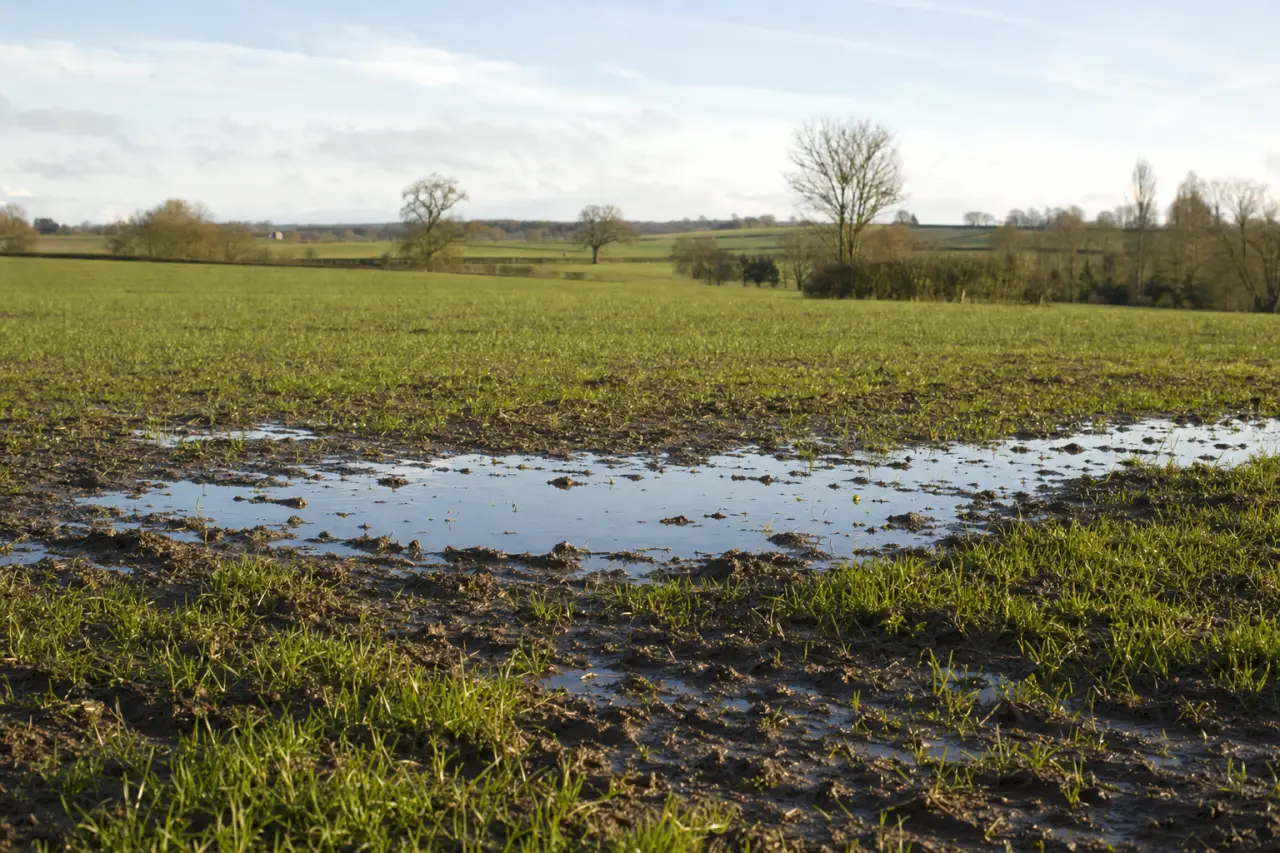
- Affect drainage and flooding: Clay-heavy soils with poor percolation rates increase flood risk
- Impact property value: Land with documented soil issues typically sells for 15-30% below market rate
Before proceeding with any land purchase, understanding your soil conditions is essential due diligence.
Understanding UK Soil Types and Classifications
The United Kingdom has remarkably diverse soil types, largely determined by underlying geology and climate patterns. The main classifications include:
Clay Soils
Found extensively across the Midlands, parts of Yorkshire, and the Weald of Kent and Sussex. Clay soils have:
- High water retention (can cause waterlogging)
- Poor drainage in winter months
- Tendency to crack in dry summers
- Excellent nutrient retention
- Challenging for construction without proper foundation work
Sandy Soils
Common in East Anglia, parts of the Thames Valley, and coastal regions. Characteristics include:
- Excellent drainage (sometimes too good)
- Low nutrient retention requiring regular fertilisation
- Easy to work and cultivate
- Good for root vegetables and early crops
- Stable for building foundations
Loam Soils
The 'Goldilocks' of soils, combining sand, silt, and clay in balanced proportions. Found in parts of the Home Counties and the Vale of York:
- Ideal for most agricultural purposes
- Good drainage whilst retaining moisture
- High fertility potential
- Commands premium prices for agricultural land
Peat Soils
Concentrated in the Fens, Somerset Levels, and parts of Scotland and Ireland:
- Extremely high organic matter content
- Prone to subsidence when drained
- Valuable for specific crops but challenging for building
- Subject to environmental protection in many areas
Chalk and Limestone Soils
Found across the South Downs, Cotswolds, and Yorkshire Wolds:
- Alkaline pH (typically 7.5-8.5)
- Free-draining but can suffer drought stress
- Limits crop selection
- Generally stable for construction
Professional Soil Testing Methods
Whilst basic DIY tests provide useful indicators, professional soil testing offers comprehensive analysis essential for informed land purchases.
Phase 1 Desk Study and Site Walkover
Cost: £500-£1,500
This initial assessment reviews:
- Historical land use from Ordnance Survey maps dating back to the 1840s
- Previous industrial or commercial activities
- Geological survey data
- Environment Agency records of contamination or flooding
- Visual inspection of surface conditions
Environmental consultants examine historical maps to identify former uses such as landfills, industrial sites, petrol stations, or agricultural chemical storage that might indicate contamination.
Phase 2 Intrusive Investigation
Cost: £2,000-£8,000 depending on site size
If the Phase 1 study identifies potential concerns, Phase 2 involves:
- Soil boring or trial pits at multiple locations
- Laboratory analysis of soil samples
- Testing for contaminants including heavy metals, hydrocarbons, asbestos
- Geotechnical assessment of bearing capacity
- Groundwater sampling where applicable
For a typical one-acre plot, expect 4-6 test locations. Larger agricultural holdings may require 10-15+ sampling points.
Agricultural Soil Analysis
Cost: £150-£400 for comprehensive testing
Specialised laboratories affiliated with organisations like ADAS or NRM provide detailed analysis including:
- Soil pH: Critical for determining crop suitability (most crops prefer 6.0-7.0)
- Macro-nutrients: Nitrogen (N), Phosphorus (P), Potassium (K) levels
- Micro-nutrients: Magnesium, calcium, sulphur, trace elements
- Organic matter content: Indicates soil health and structure
- Texture analysis: Sand/silt/clay ratios
- Cation exchange capacity: Measures nutrient-holding ability
Request testing to DEFRA's RB209 standards, which provides fertiliser recommendations based on results.
Contaminated Land Assessment
Cost: £3,000-£15,000+
Essential when purchasing former industrial sites, brownfield land, or properties with unknown histories. Testing identifies:
- Heavy metals (lead, arsenic, cadmium, chromium)
- Petroleum hydrocarbons (from fuel storage or spills)
- Polycyclic aromatic hydrocarbons (PAHs)
- Asbestos fibres
- Pesticides and herbicides on former agricultural land
Under Part 2A of the Environmental Protection Act 1990, contaminated land liability typically transfers to the new owner, making pre-purchase testing crucial.
DIY Soil Quality Checks
Whilst professional testing is irreplaceable for major purchases, these DIY methods provide useful preliminary insights:
The Jar Test for Soil Composition
- Fill a clear jar two-thirds with soil from your site
- Add water to nearly full, plus a teaspoon of washing-up liquid
- Shake vigorously for 3 minutes
- Leave to settle for 24 hours
- Observe the layers: sand settles first (bottom), then silt, then clay (top)
- Measure each layer to determine percentage composition
pH Testing with a Home Kit
Cost: £8-£15
Simple pH test kits from garden centres provide quick results:
- Take samples from 6-8 locations across the plot
- Mix with distilled water according to kit instructions
- Compare colour change to provided chart
- Average the results for overall site pH
The Drainage Percolation Test
- Dig a hole 30cm x 30cm x 30cm deep
- Fill with water and allow to drain completely
- Refill and time how long it takes to drain
- Good drainage: empties within 4-6 hours
- Poor drainage: still waterlogged after 24 hours
This test is particularly important if you're planning to install a septic tank or drainage field.
The Earthworm Count
Healthy soil contains 5-10 earthworms per spade depth. Dig a square foot of soil 20cm deep:
- 10+ worms: excellent soil health
- 5-10 worms: good soil health
- 1-5 worms: moderate soil health
- 0 worms: poor soil health or possible contamination
Visual and Sensory Assessment
Experienced farmers and growers can assess much through observation:
- Colour: Dark brown or black indicates high organic matter; pale colours suggest nutrient depletion
- Smell: Fresh, earthy aroma is positive; chemical or petroleum odours warrant investigation
- Structure: Should crumble easily when squeezed; not sticky (too much clay) or gritty (too sandy)
- Vegetation: Healthy diverse plant growth indicates good soil; sparse or stunted growth suggests problems
Understanding Soil Survey Reports
When you receive professional soil testing results, key sections include:
Executive Summary
Outlines main findings, any contamination concerns, and recommendations. This is what solicitors and planning permission officers will focus on.
Methodology
Describes sampling locations, depths, and laboratory procedures. Ensure testing meets BS 10175:2011+A2:2017 standards for contaminated land investigation.
Laboratory Results Tables
Compares your soil samples against:
- Generic Assessment Criteria (GAC): Standard thresholds for various contaminants
- Site-Specific Assessment Criteria (SSAC): Tailored limits based on intended use
- Agricultural guideline values: For farming land
Results typically use a traffic light system:
- Green: Below guideline values—no action required
- Amber: Approaching limits—may need monitoring
- Red: Exceeds safe levels—remediation essential
Geotechnical Data
- Bearing capacity: Measured in kN/m² (typical requirement for housing: 100-150 kN/m²)
- California Bearing Ratio (CBR): For access roads and hardstanding
- Atterberg limits: Clay plasticity indicators
- Soil classification: To British Standards
Recommendations Section
Crucial for budgeting and planning:
- Remediation strategies and estimated costs
- Foundation design recommendations
- Drainage solutions
- Agricultural improvement measures
- Further investigation requirements
Regional Soil Considerations Across the UK
England
Soil quality varies dramatically:
- East Anglia: Grade 1 and 2 agricultural land (the best), predominantly sandy loams
- Lincolnshire: Rich silt soils in the Fens, highly productive
- Kent and Sussex: Heavy Weald clay requiring drainage
- Cotswolds: Shallow limestone soils, alkaline
- Devon and Cornwall: Clay loams, moderate acidity
Check land by county for regional specifics.
Scotland
Scottish soils reflect varied geology:
- Central Belt: Former industrial contamination common in urban areas
- Highlands: Thin, acidic soils with high peat content
- Aberdeenshire: Better quality loams supporting arable farming
- Scottish Borders: Mixed quality, heavy rainfall increases waterlogging risk
Scottish Environment Protection Agency (SEPA) maintains contaminated land registers.
Wales
Generally acidic soils due to high rainfall:
- South Wales: Former mining areas require contamination checks
- Pembrokeshire: Better drainage, supports dairy farming
- Snowdonia: Shallow, poor soils unsuitable for agriculture
- Anglesey: Variable quality, coastal influences
Natural Resources Wales provides soil mapping resources.
Northern Ireland
Predominantly pastoral land:
- High rainfall creates waterlogging challenges
- Soils generally acidic (pH 5.5-6.5)
- Former industrial sites in Belfast and Londonderry warrant investigation
- Agricultural land typically requires regular liming
Legal and Regulatory Framework
Several UK laws govern soil quality and contaminated land:
Environmental Protection Act 1990 (Part 2A)
Defines contaminated land and establishes liability. Local authorities maintain public registers of contaminated land sites. As a buyer, you could inherit remediation costs ranging from £10,000 to several million pounds for severely contaminated sites.
Town and Country Planning Act 1990
Planning conditions often require contamination assessments before development permission is granted. Expect local authorities to request Phase 1 and potentially Phase 2 reports for:
- Former industrial land
- Petrol stations or garages
- Land within 250m of historical landfills
- Sites with unknown previous use
Land Registration Act 2002
Whilst soil quality issues aren't automatically registered with the Land Registry, severe contamination can be noted on title documents. Always review title registers and request environmental searches.
Agricultural Holdings Act 1986
For tenanted agricultural land, sitting tenants may have obligations regarding soil maintenance. Incoming landowners should review soil management history.
When to Walk Away from a Purchase
Certain soil conditions should raise serious red flags:
Severe Contamination
If testing reveals:
- Heavy metal concentrations exceeding guideline values by 5-10x
- Widespread asbestos contamination
- Significant petroleum hydrocarbon contamination
- Radioactive materials
Remediation costs may exceed land value. Unless you can negotiate a substantial price reduction (typically 50-70% below market rate) and have expertise managing contaminated sites, consider walking away.
Unstable Ground Conditions
Problems include:
- Mine workings: Common in former coalfield areas
- Made ground: Uncontrolled fill or waste
- High water table: Less than 1 metre below surface
- Expansive clay: Significant shrink-swell potential
These conditions can make building prohibitively expensive or impossible.
Protected Soils
Some soils receive environmental protection:
- Sites of Special Scientific Interest (SSSI) with rare soil types
- Ancient woodland soils
- Deep peat soils (increasingly protected for carbon storage)
Development restrictions can severely limit land use options.
Negotiating Based on Soil Test Results
Soil testing often provides leverage for price negotiations:
Minor Issues
Cost to remedy: £5,000-£20,000
For problems like pH imbalances, minor nutrient deficiencies, or localised contamination:
- Request vendor remediation before completion
- Negotiate a retention against purchase price
- Seek 10-20% price reduction
Moderate Issues
Cost to remedy: £20,000-£100,000
For drainage problems, widespread contamination requiring soil removal, or foundation challenges:
- Obtain detailed remediation quotes from specialists
- Negotiate 30-40% price reduction
- Consider conditional contracts requiring vendor contribution
Major Issues
Cost to remedy: £100,000+
For severe contamination or geotechnical problems:
- Renegotiate substantially (50-70% reduction not unreasonable)
- Insist on vendor-funded Phase 3 remediation
- Consider whether the project remains viable
Soil Quality and Land Valuation
Soil quality significantly impacts land values:
- Grade 1 agricultural land: £12,000-£18,000 per acre (2026 prices)
- Grade 2 agricultural land: £9,000-£13,000 per acre
- Grade 3 agricultural land: £7,000-£10,000 per acre
- Grade 4-5 agricultural land: £4,000-£7,000 per acre
For development land, contamination can reduce values by:
- Minor contamination: 15-25% reduction
- Moderate contamination: 30-50% reduction
- Severe contamination: 60-80% reduction
Professional valuers always consider soil reports when assessing land.
Cost Summary: Budgeting for Soil Testing
Expect to invest:
Minimum due diligence (small plot):
- Basic soil analysis: £150-£300
- pH and nutrient testing: £100-£200
- Total: £250-£500
Standard residential purchase (0.25-1 acre):
- Phase 1 desk study: £500-£1,000
- Phase 2 investigation (if required): £2,000-£4,000
- Agricultural analysis: £200-£400
- Total: £700-£5,400
Commercial/agricultural purchase (5+ acres):
- Comprehensive Phase 1: £1,000-£2,000
- Phase 2 with multiple test points: £5,000-£15,000
- Specialist agricultural testing: £500-£1,000
- Total: £6,500-£18,000
This represents 0.5-2% of typical purchase prices—a worthwhile investment for peace of mind and negotiating power.
Finding Qualified Soil Testing Professionals
Choose accredited specialists:
Environmental Consultants
Look for firms with:
- ISO 17025 accredited laboratories
- Corporate membership of Environmental Industries Commission (EIC)
- Chartered environmental professionals on staff
- Professional indemnity insurance (minimum £5 million)
Agricultural Soil Specialists
Reputable providers include:
- ADAS (Agricultural Development Advisory Service)
- NRM Laboratories
- Lancrop Laboratories
- County-based agricultural advisory services
Geotechnical Engineers
Essential for building projects:
- Institution of Civil Engineers (ICE) members
- Ground Engineering Association members
- Experience with local geological conditions
Taking Action: Your Soil Testing Checklist
Before purchasing any land in the UK:
- ✅ Review historical maps and environmental databases
- ✅ Conduct visual site inspection during and after rainfall
- ✅ Perform basic DIY tests (jar test, pH, percolation)
- ✅ Commission Phase 1 desk study for any commercial/industrial history
- ✅ Arrange Phase 2 intrusive investigation if Phase 1 raises concerns
- ✅ Obtain agricultural soil analysis for farming land
- ✅ Review all reports with solicitor before exchange of contracts
- ✅ Use findings to negotiate price or remediation terms
- ✅ Ensure contamination insurance is available if needed
- ✅ Verify soil conditions meet planning requirements
Conclusion: Don't Skip the Soil Check
Soil quality testing is not an optional extra—it's fundamental due diligence that protects your investment and future plans. In 2026's competitive UK land market, buyers who understand soil conditions gain significant advantages in negotiations and long-term land management.
Whether you're purchasing a small garden plot or a 100-acre farm, spending £500-£5,000 on professional soil testing can save you tens or hundreds of thousands in remediation costs, failed crops, or building problems. The soil beneath your feet determines what's possible above it.
Remember: caveat emptor (buyer beware) applies to land purchases. Vendors have no legal obligation to disclose soil problems unless specifically asked. The responsibility for investigation rests entirely with you.
Get Expert Help With Your Land Purchase
Ready to find the perfect plot with healthy, productive soil? Get a free land valuation to understand what you should pay for land in your target area, or browse our complete buying guide to learn every step of the land purchase process.
Don't let poor soil quality become an expensive surprise—test before you invest.
Get a Free Land Valuation
Use our calculator to get an instant estimate of land value in your area.
Free Valuation